ARS VISIBILIS VII EN MECA
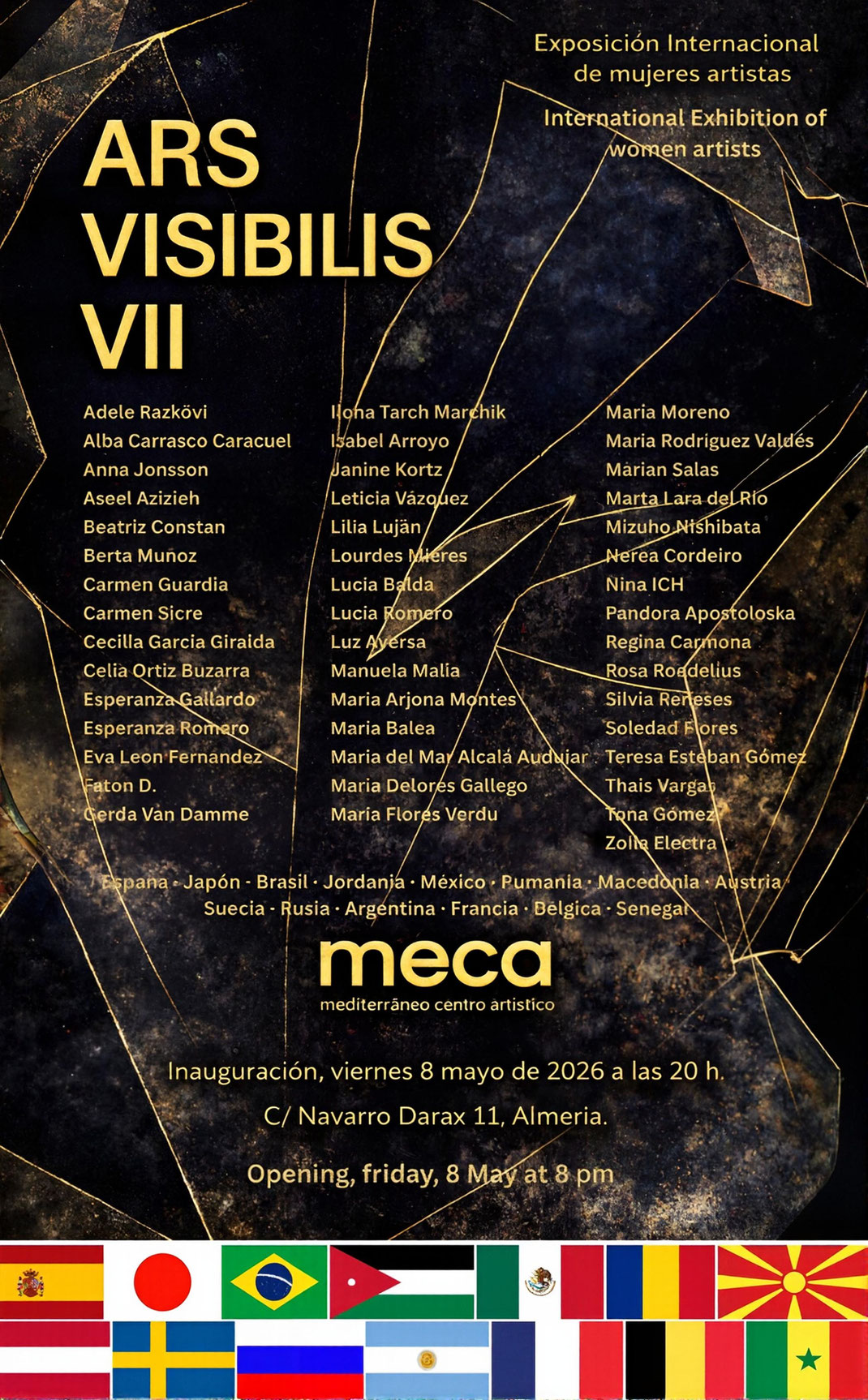
Del 8 al 21 de mayo a las 20 h
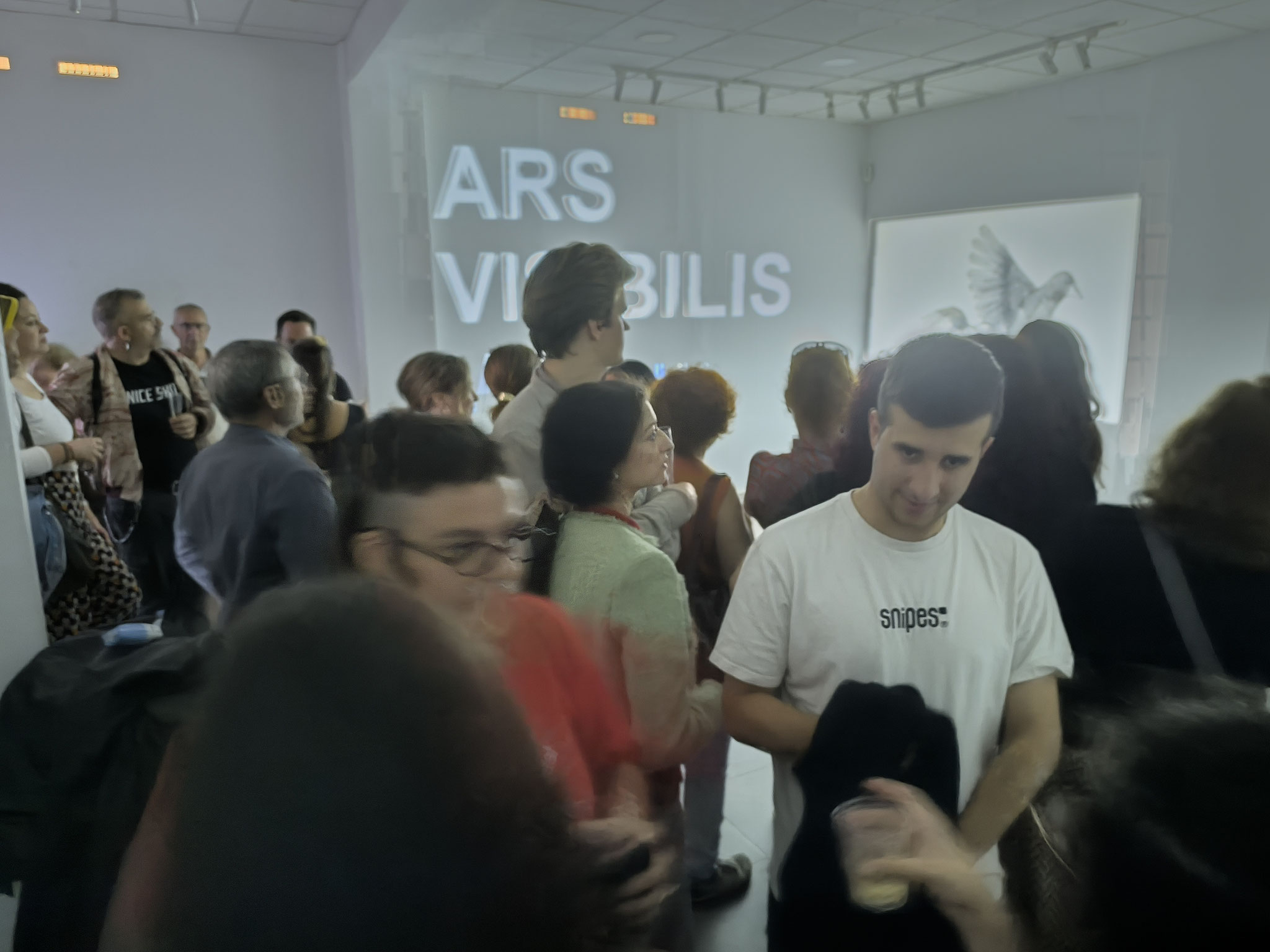
ARS VISIBILIS VII. Exposición Internacional de mujeres artistas
International Exhibition of women artits
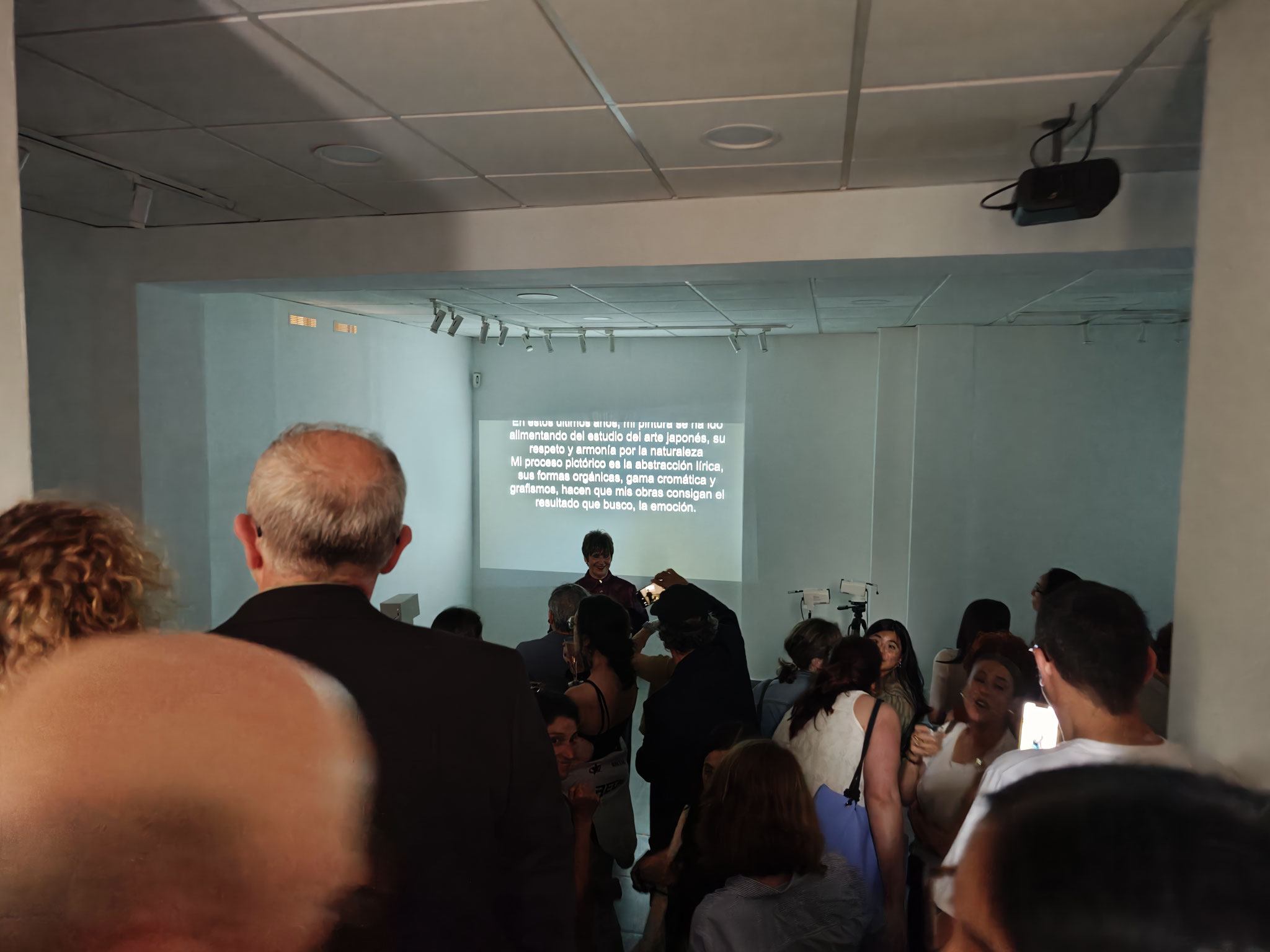
Inauguración. Viernes 8 de mayo a las 20 h
Opening. Friday 8 May 2026 at 8 pm
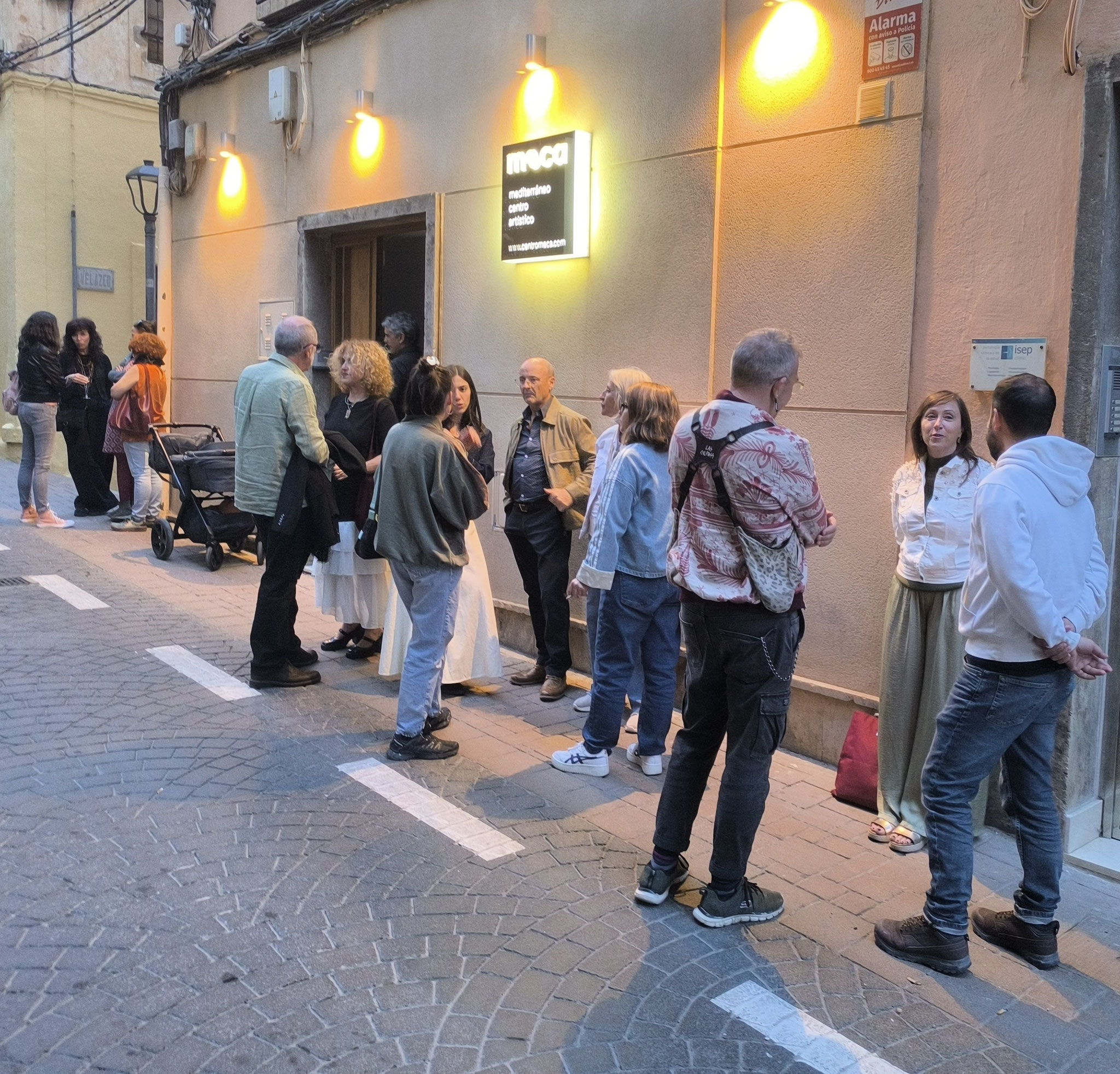
Sala MECA. C/ Navarro Darax 11. Almería
Hasta el 21 de mayo. De lunes a jueves de 18.30 a 20.30 h
Until May 21nd. Monday to Thursday from 6:30 pm to 8:30 pm
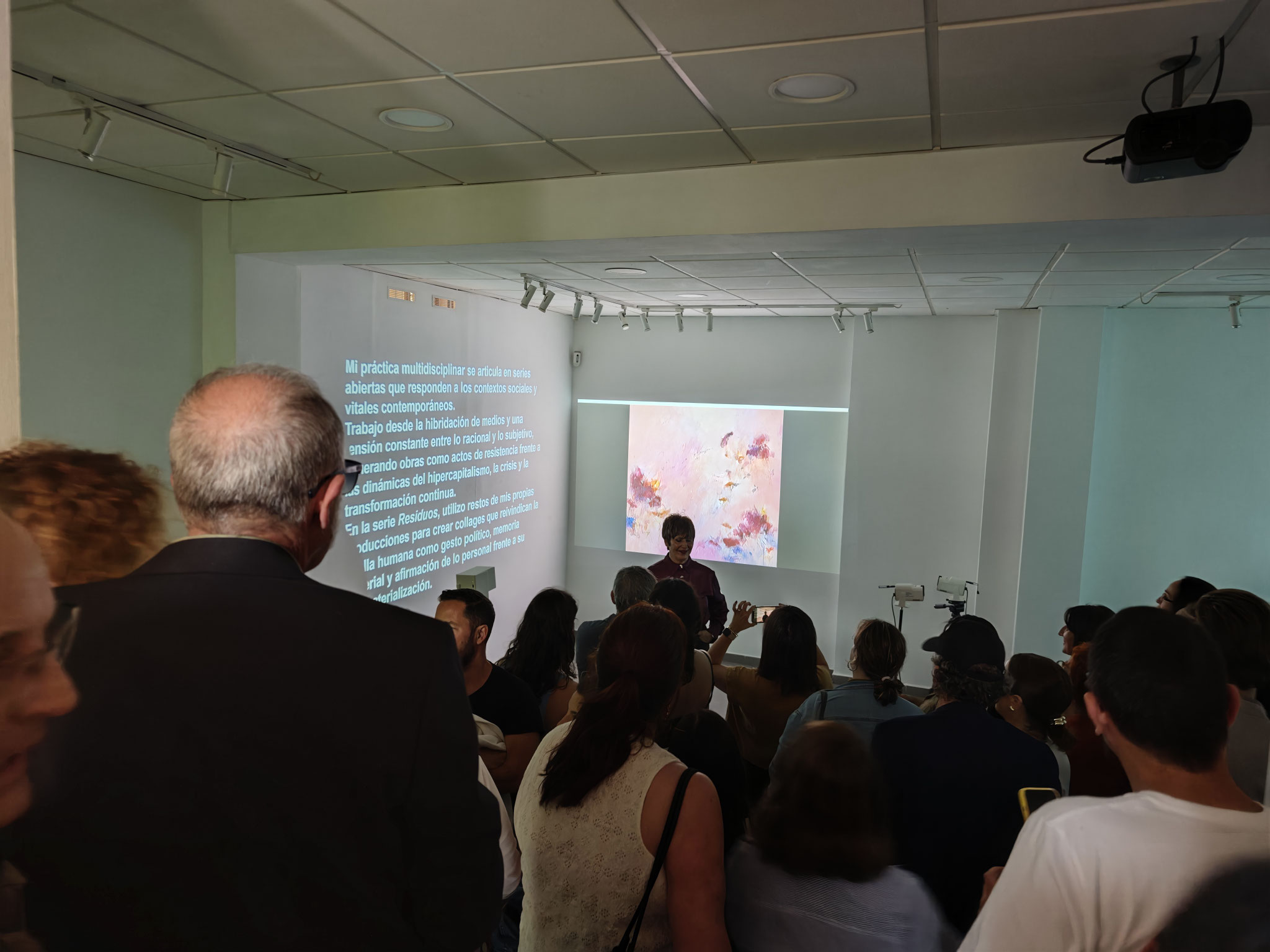
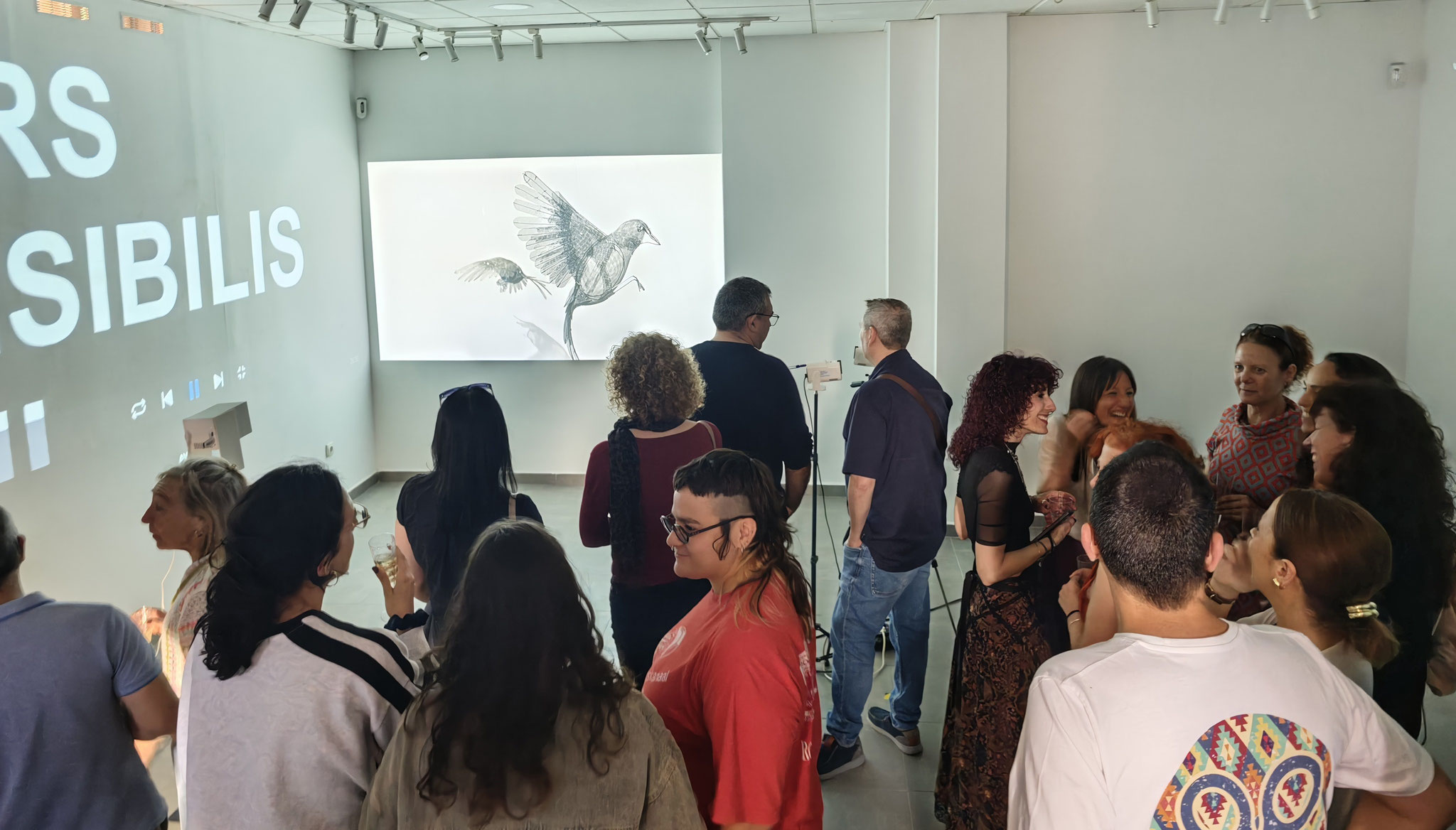
ARS VISIBILIS VII no se plantea como una exposición en el sentido convencional, sino como un dispositivo que interroga las condiciones bajo las cuales las prácticas artísticas realizadas por mujeres aparecen hoy en el campo de lo visible. La visibilidad deja de entenderse como un objetivo o un logro y se sitúa como un régimen: un conjunto de operaciones que determina qué puede ser percibido, cómo se presenta y desde qué marcos se interpreta.
Comisariado por Rosa Muñoz Bustamante y Fernando Barrionuevo, el proyecto se inscribe en una línea de investigación sostenida en torno a la relación entre imagen, género y sistemas de percepción, así como en el desarrollo de dispositivos inmersivos entendidos no como soluciones tecnológicas, sino como estructuras críticas que reconfiguran la experiencia estética.
La exposición reúne a 46 artistas de distintos contextos culturales y países cuya coexistencia no responde a la construcción de un relato común ni a la afirmación de una identidad compartida. Lo que se activa es un campo de tensiones donde las diferencias no se organizan ni se resuelven, sino que permanecen en estado de fricción. El conjunto no representa: desestabiliza.
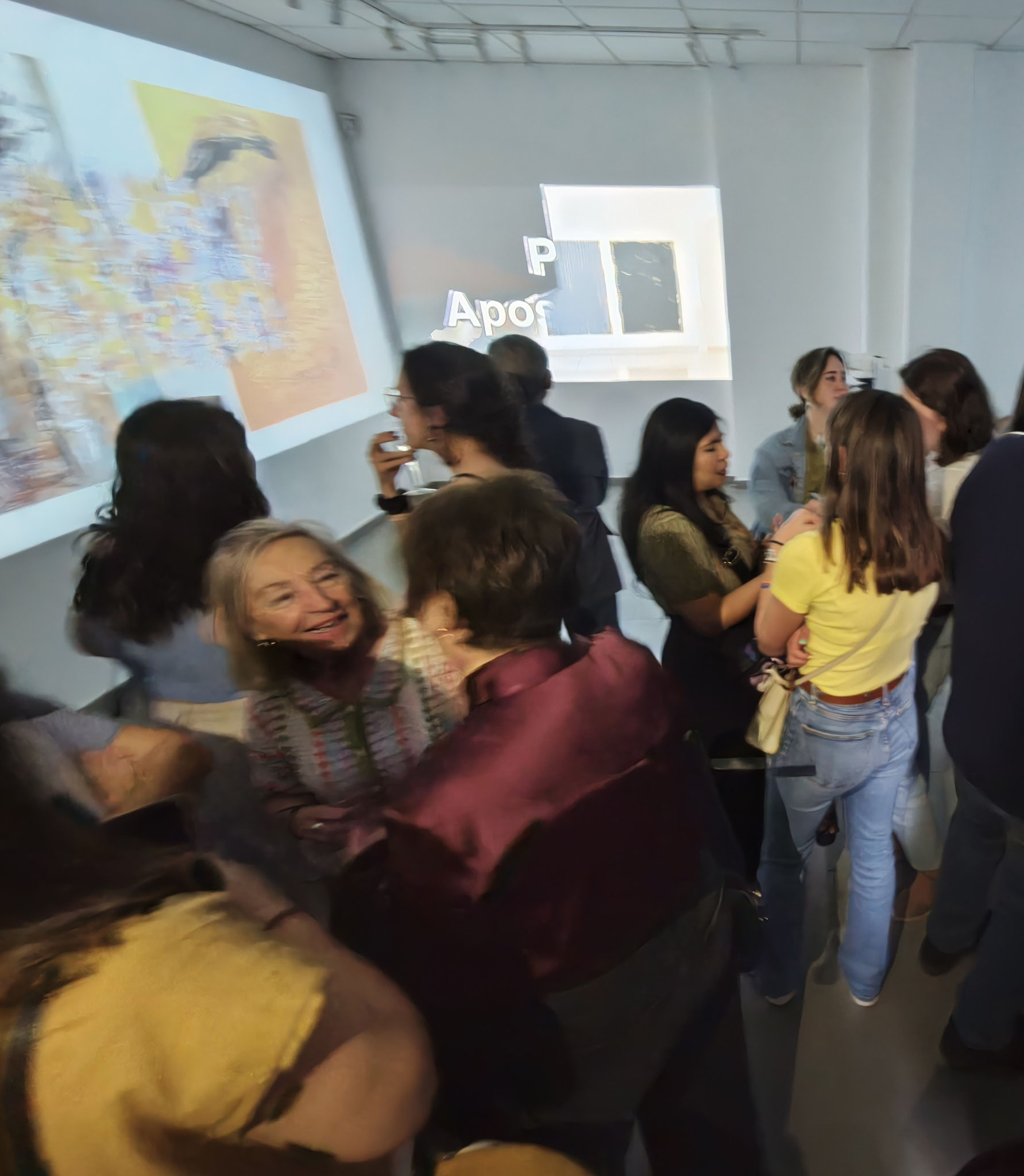
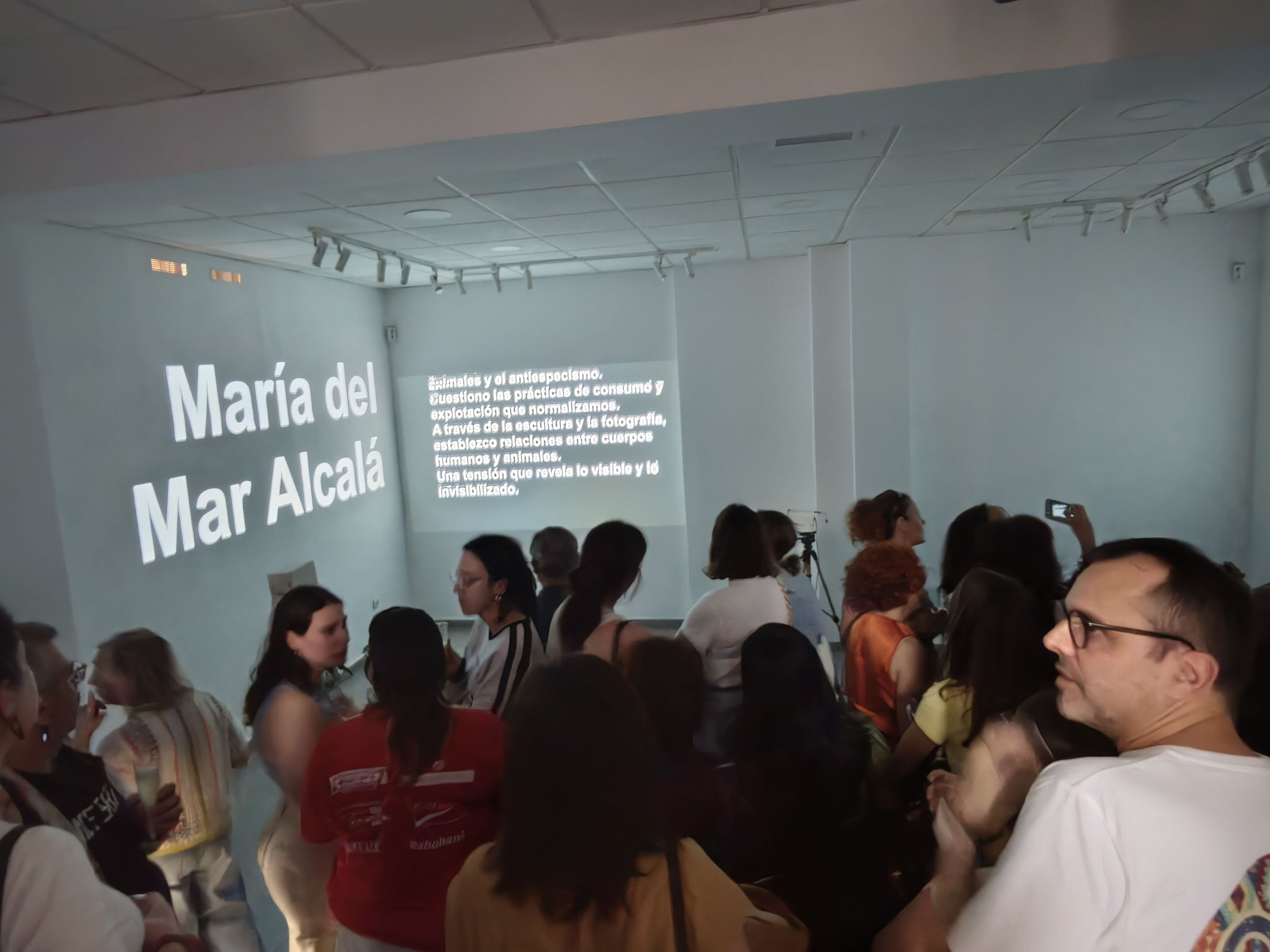
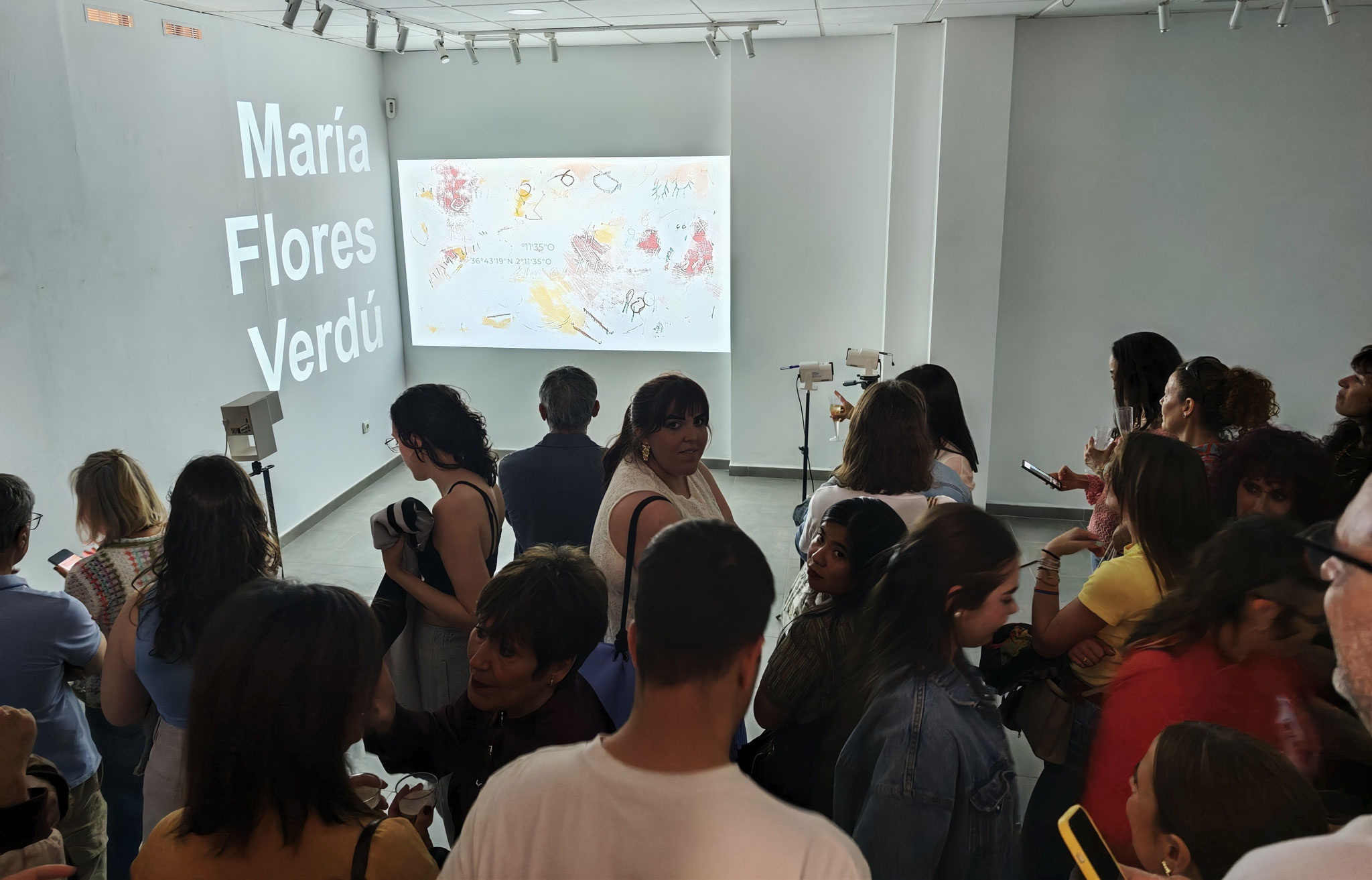
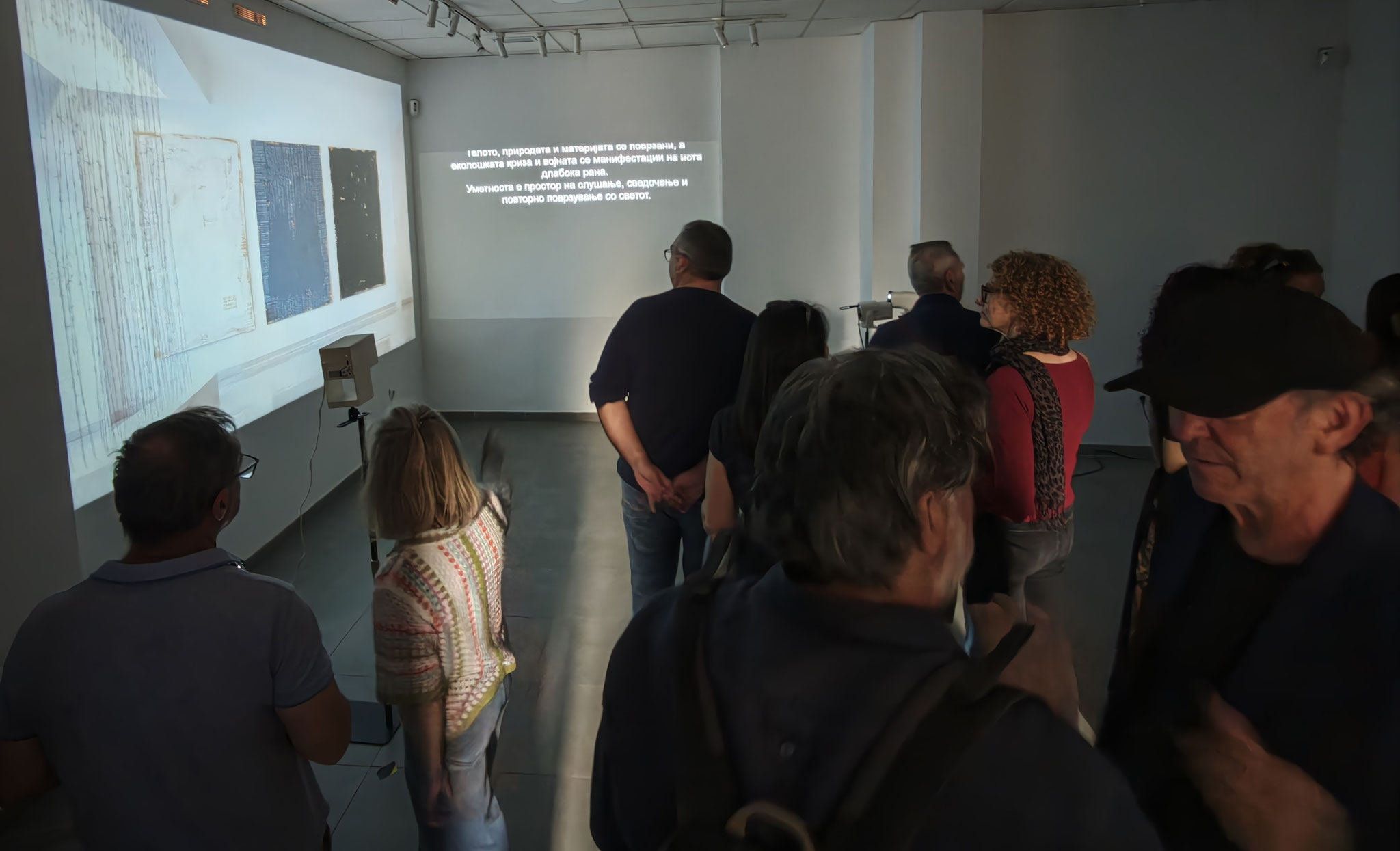
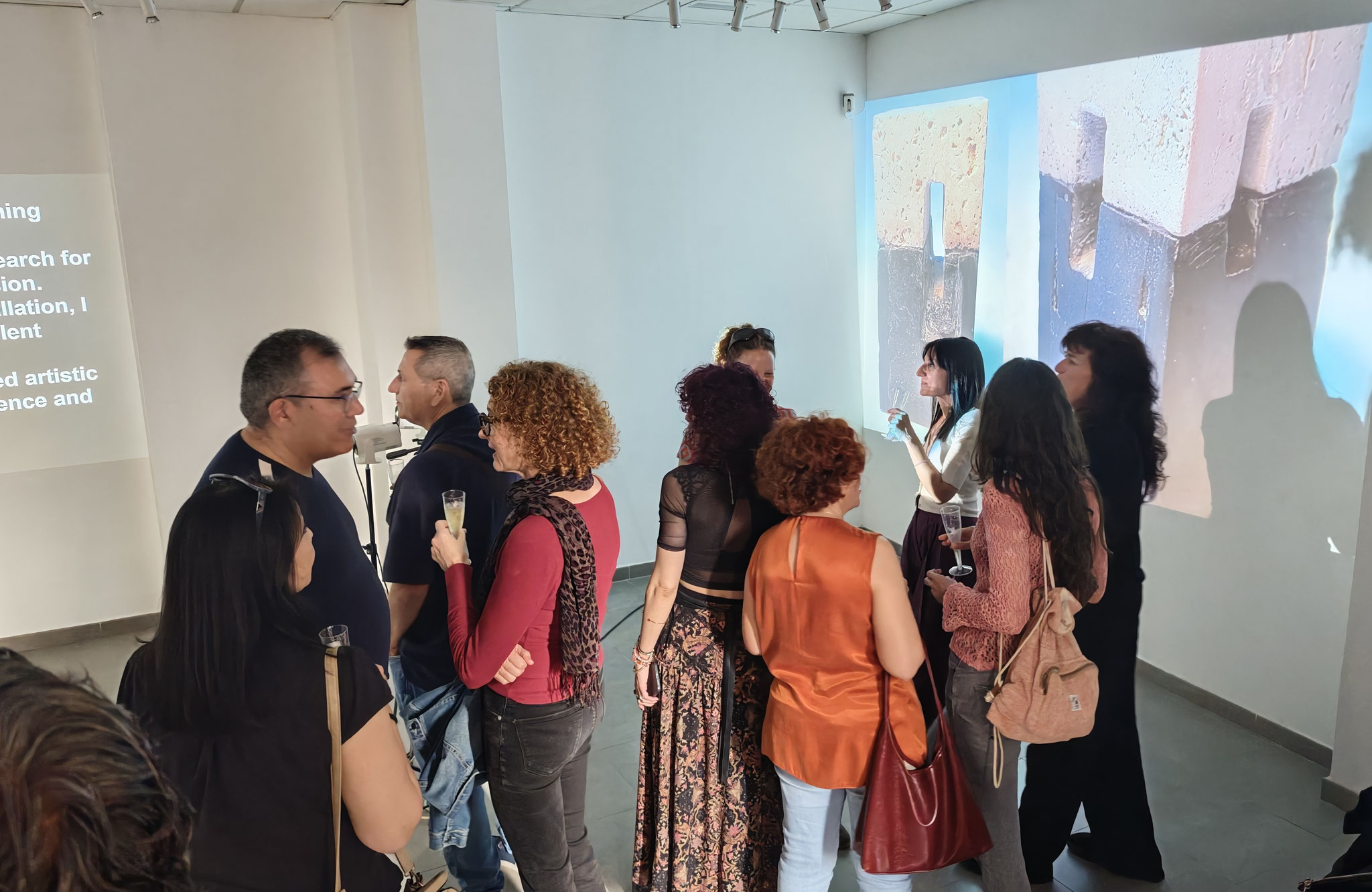
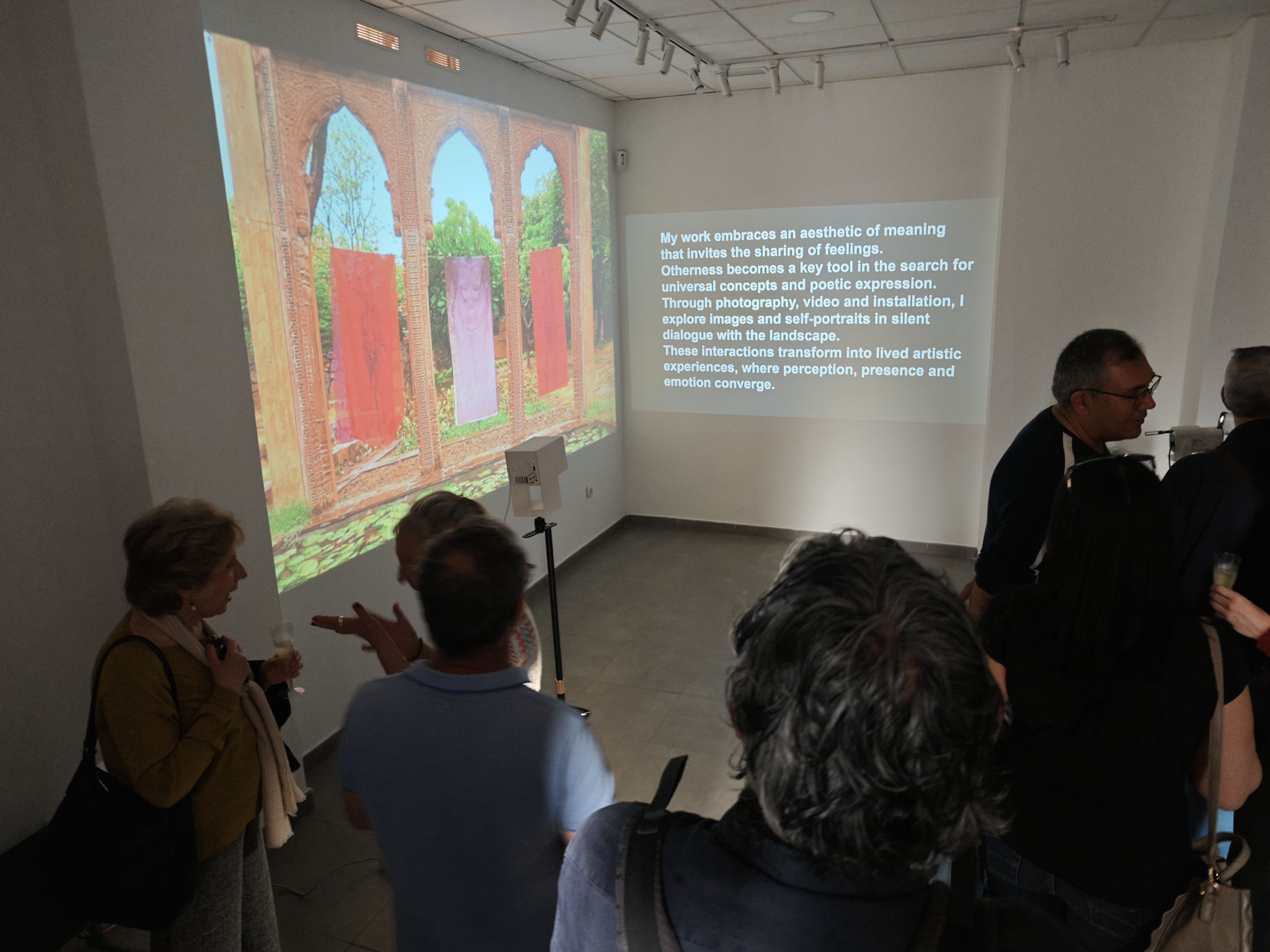
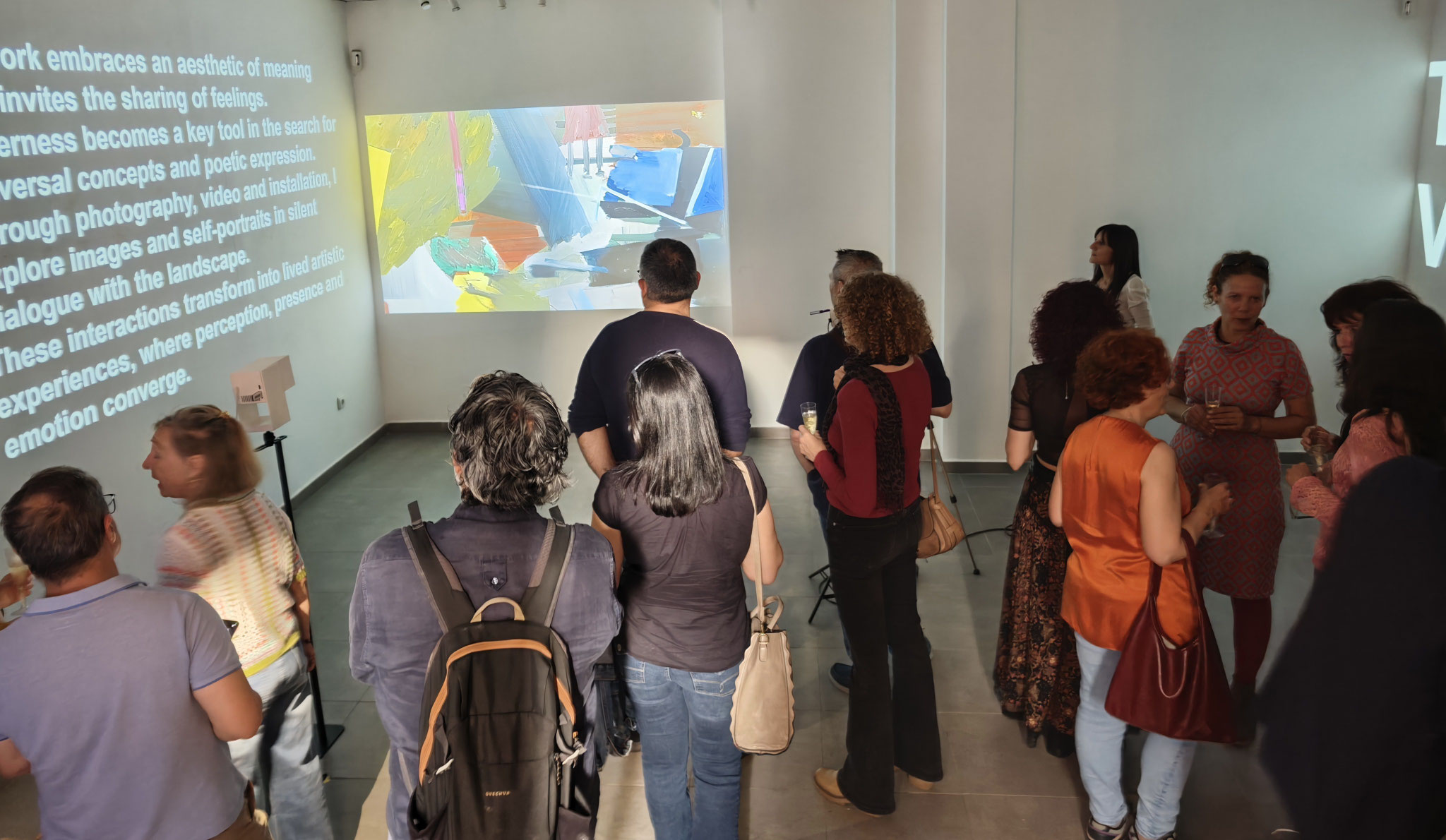
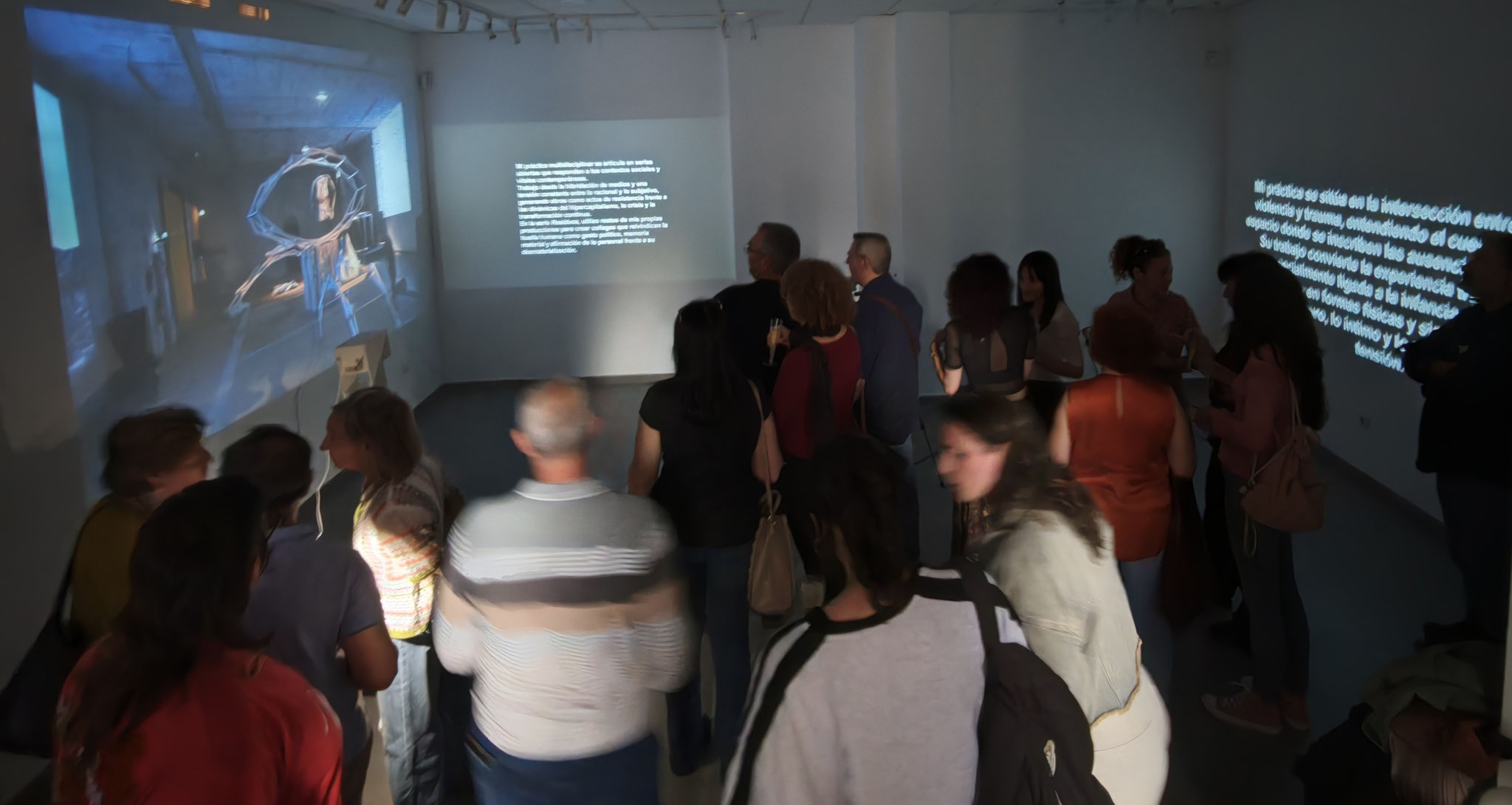
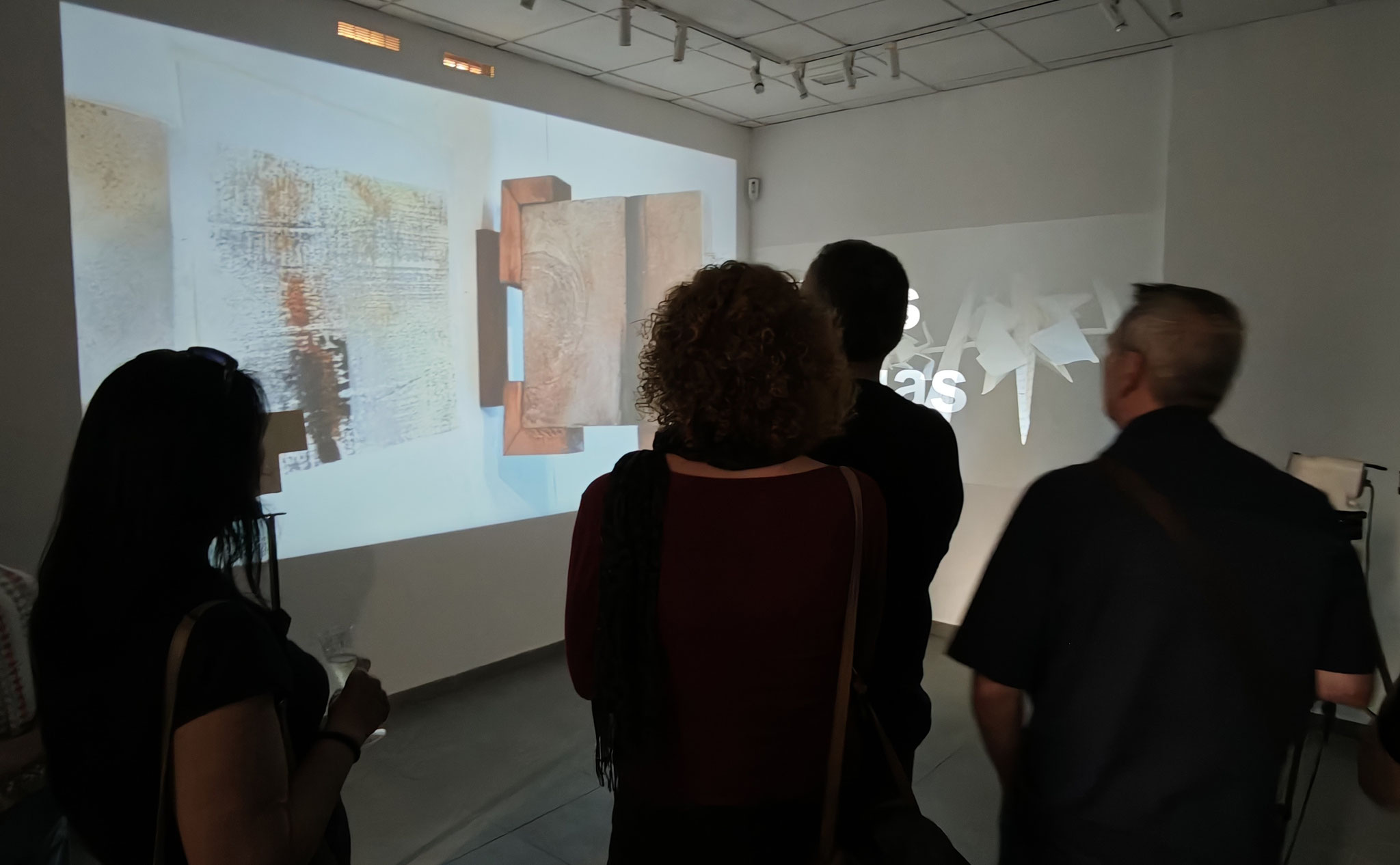
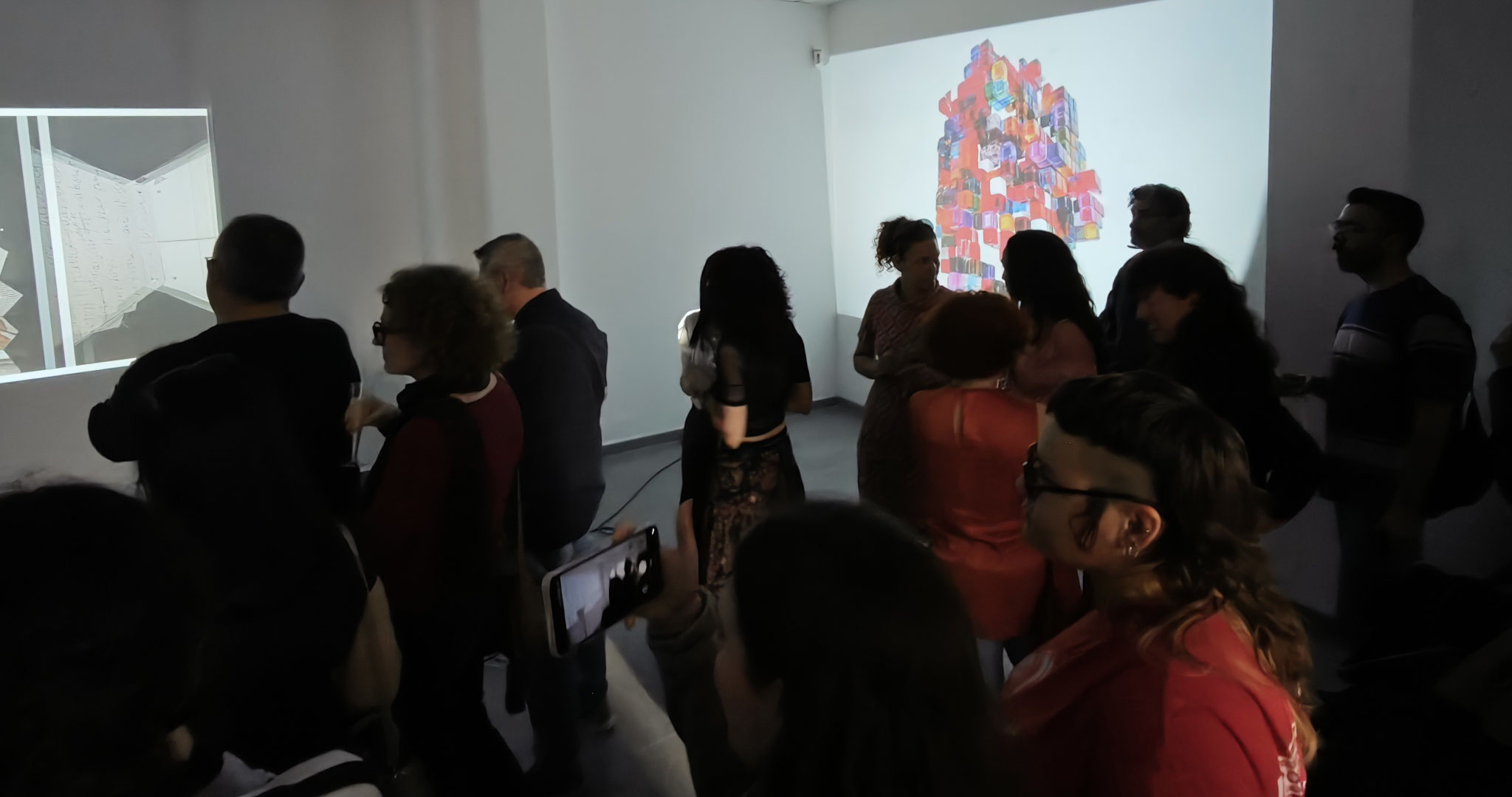
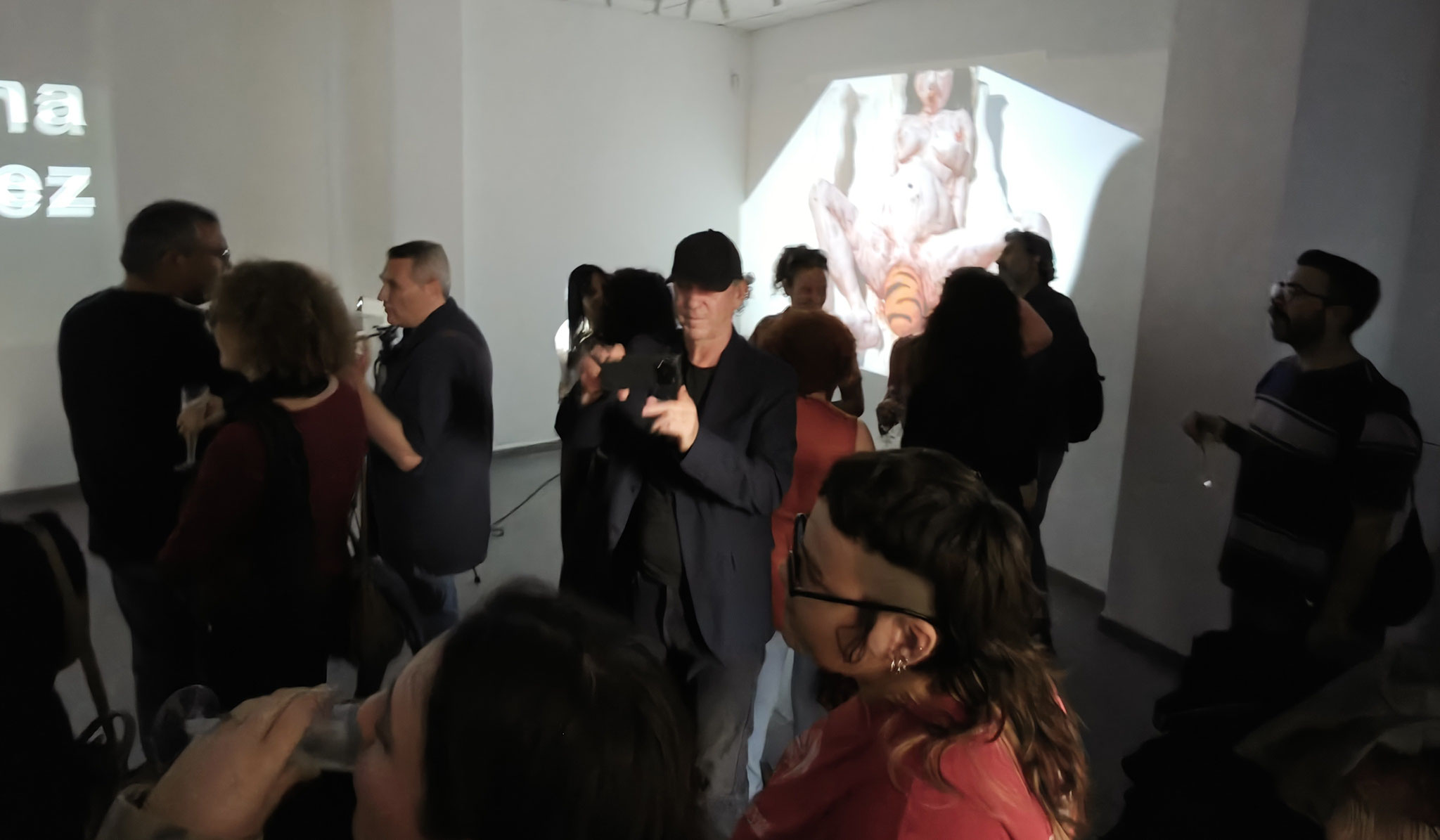
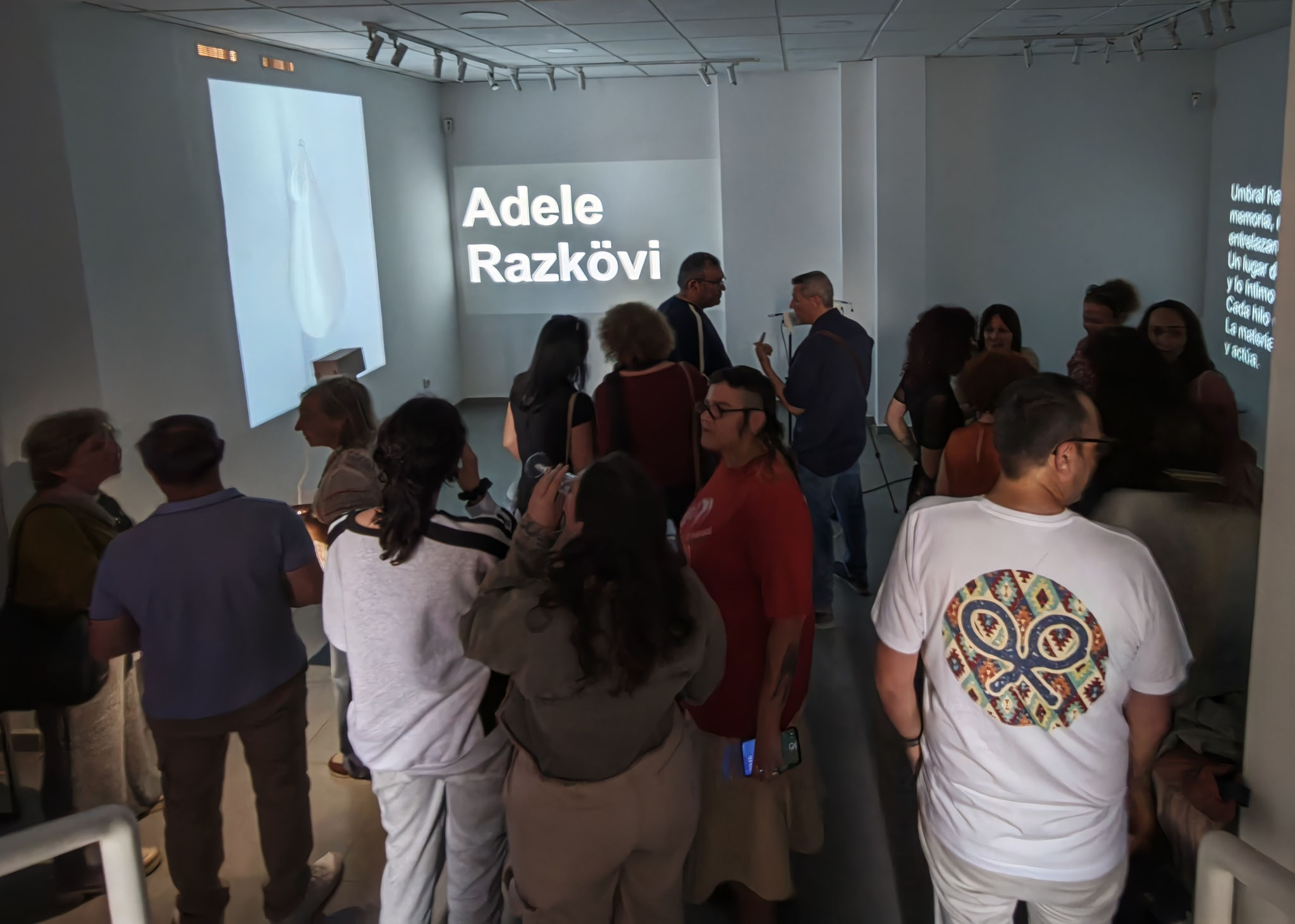
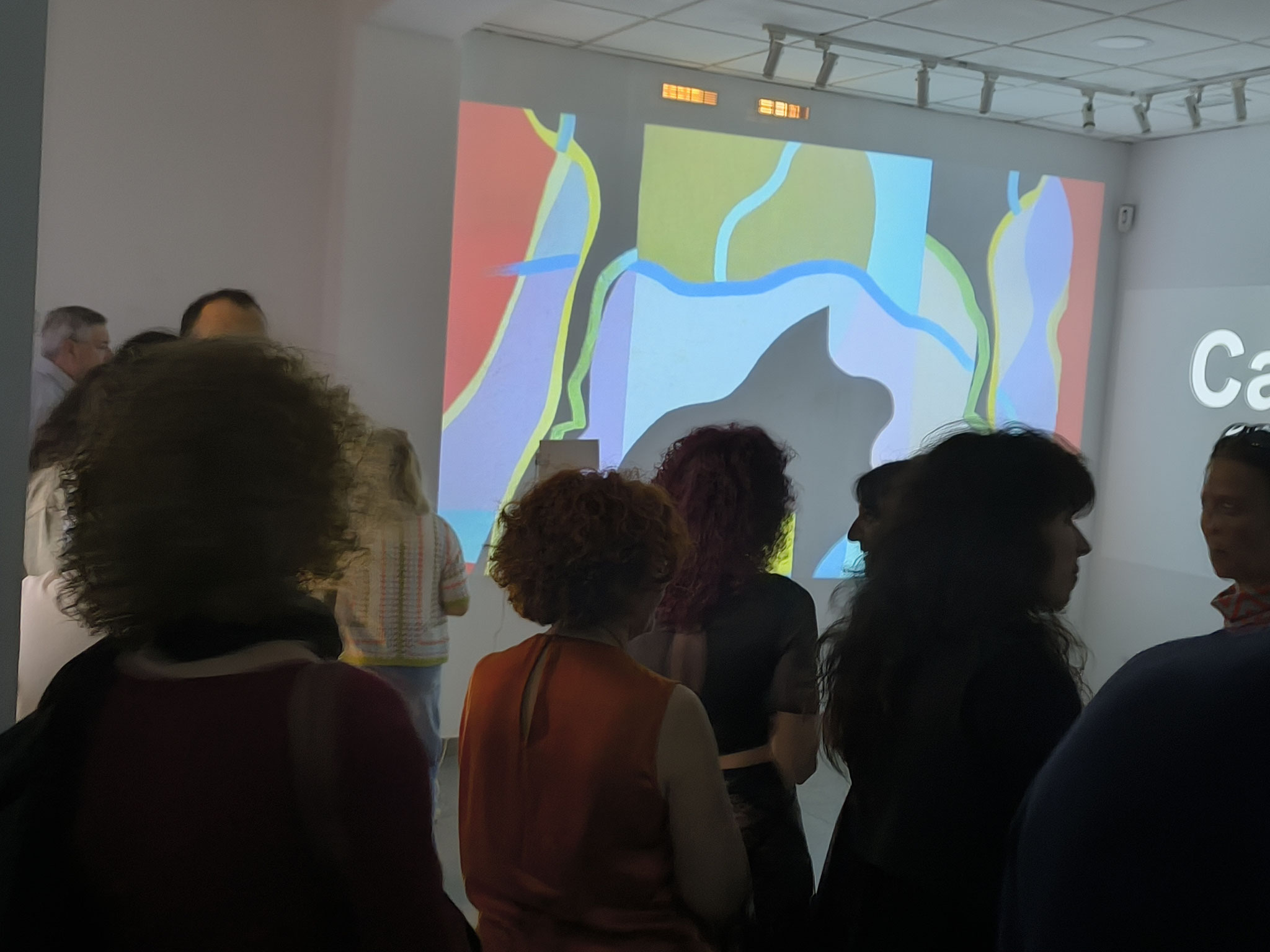
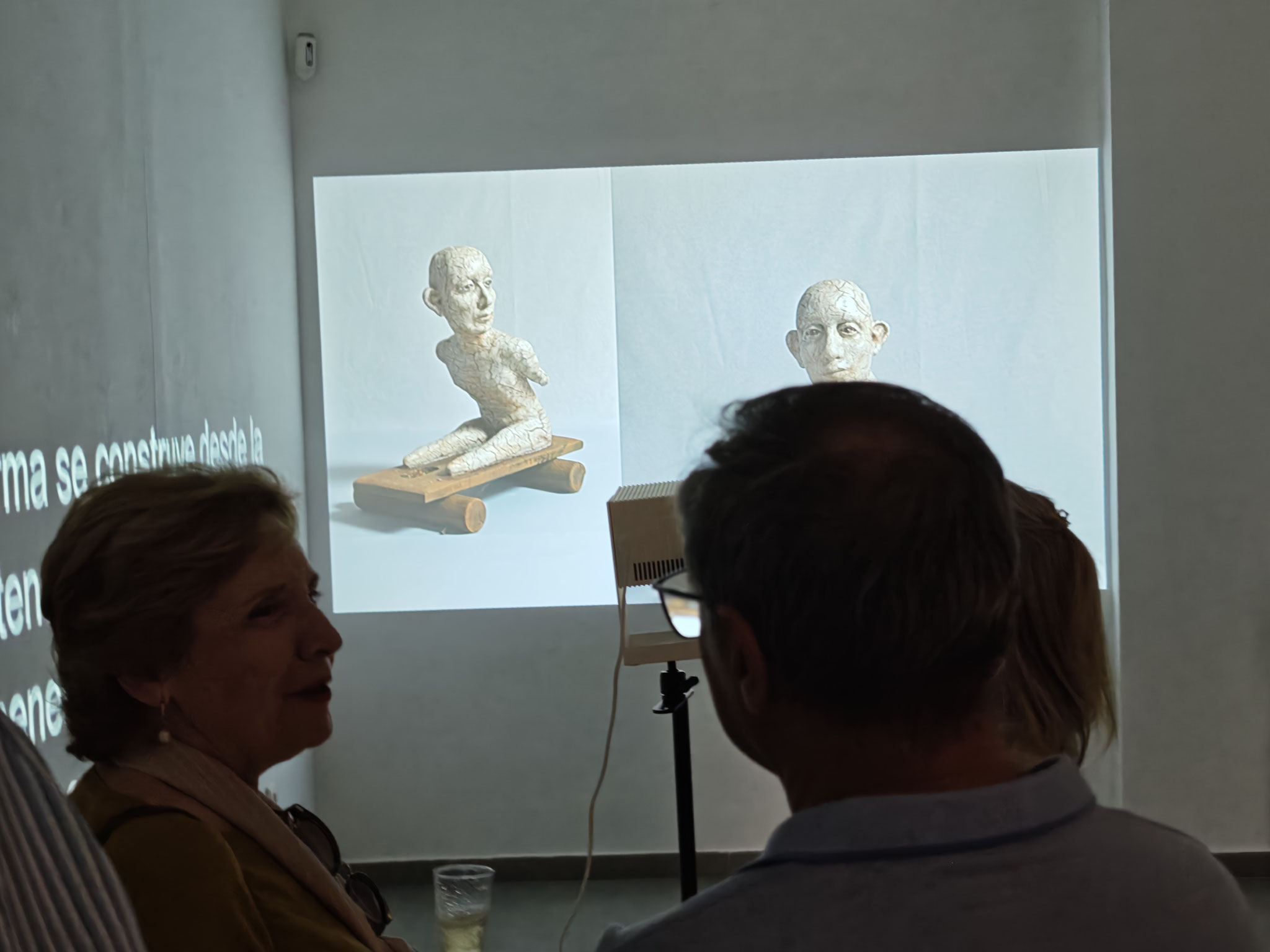
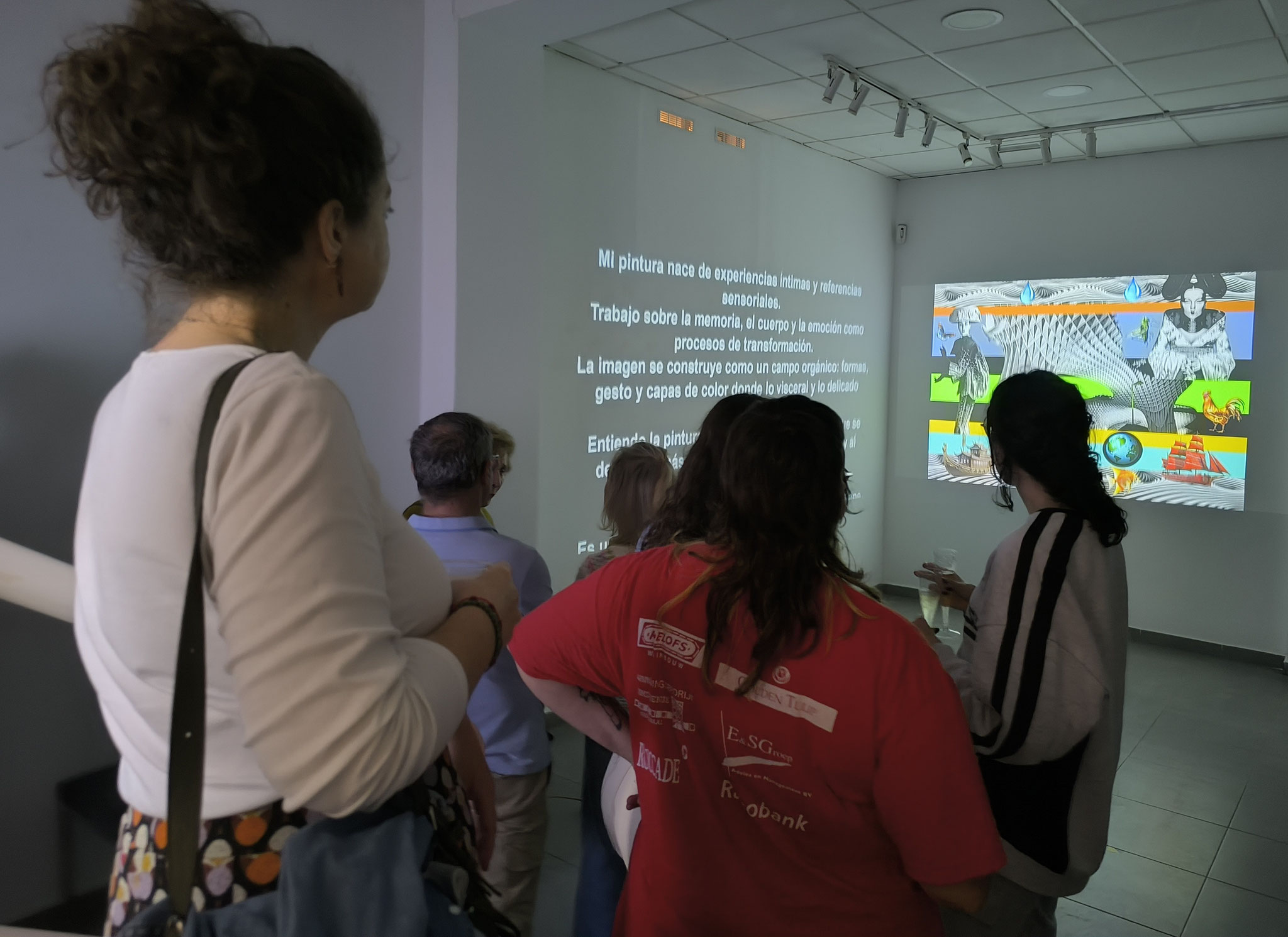
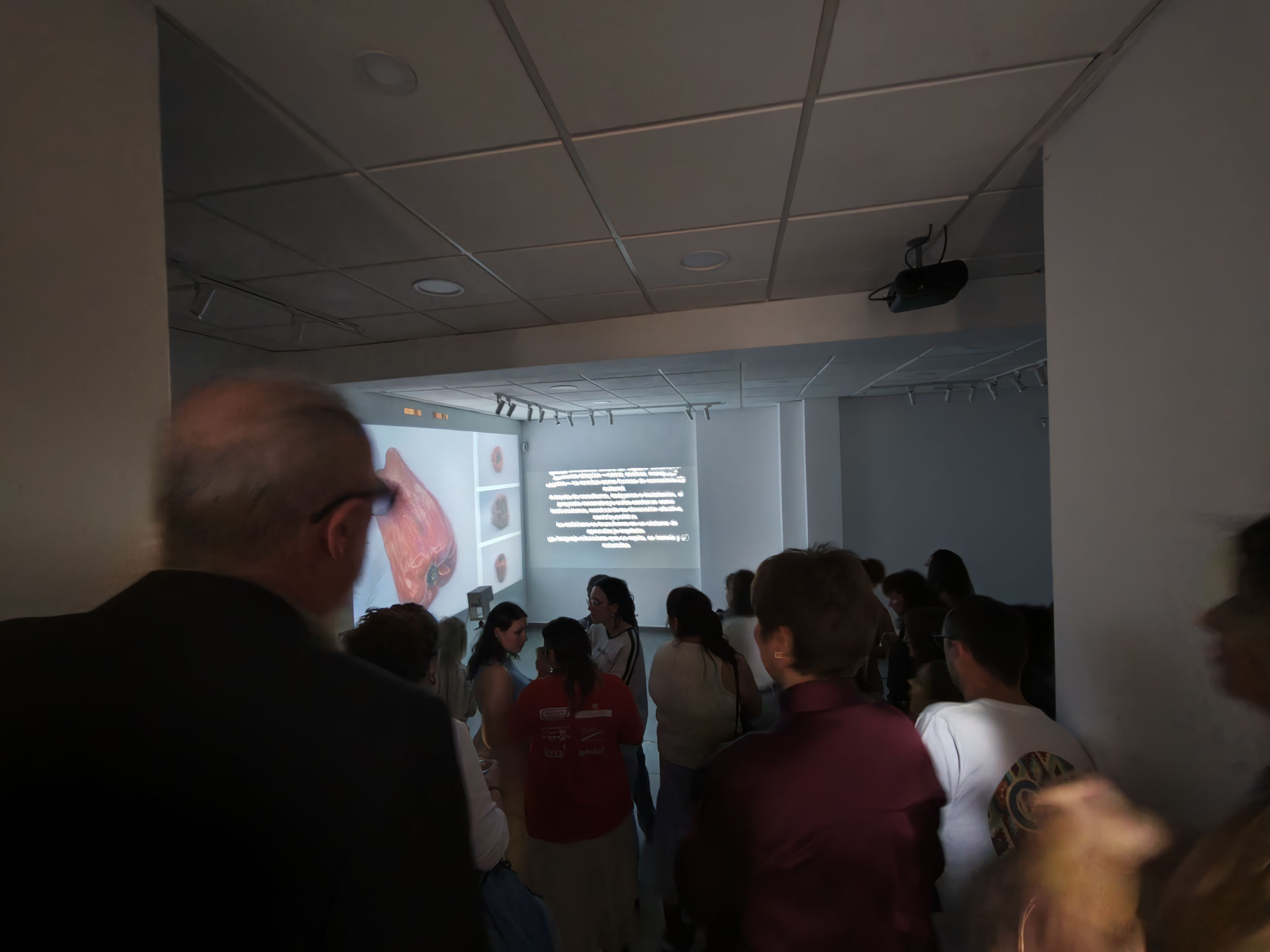
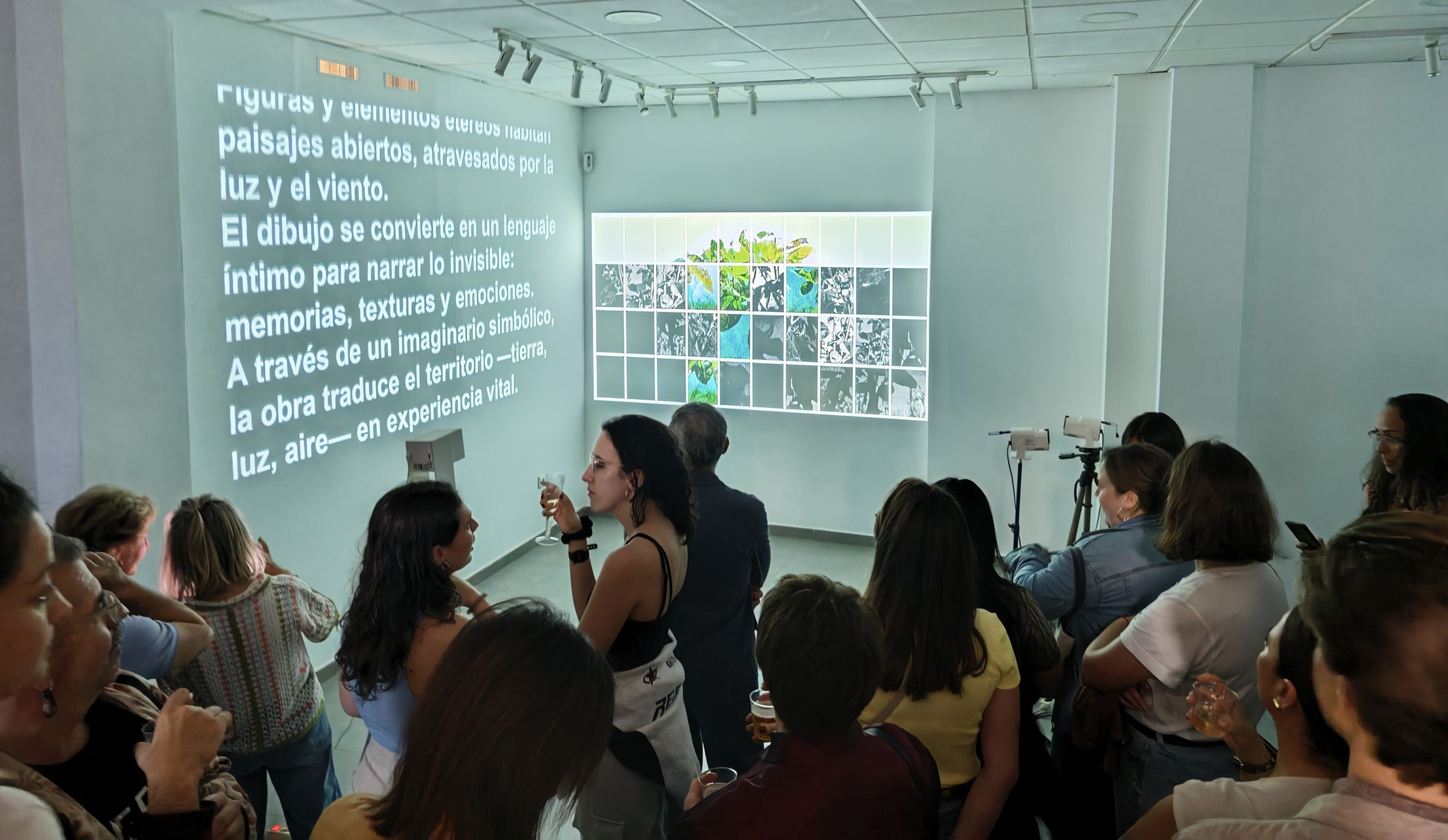
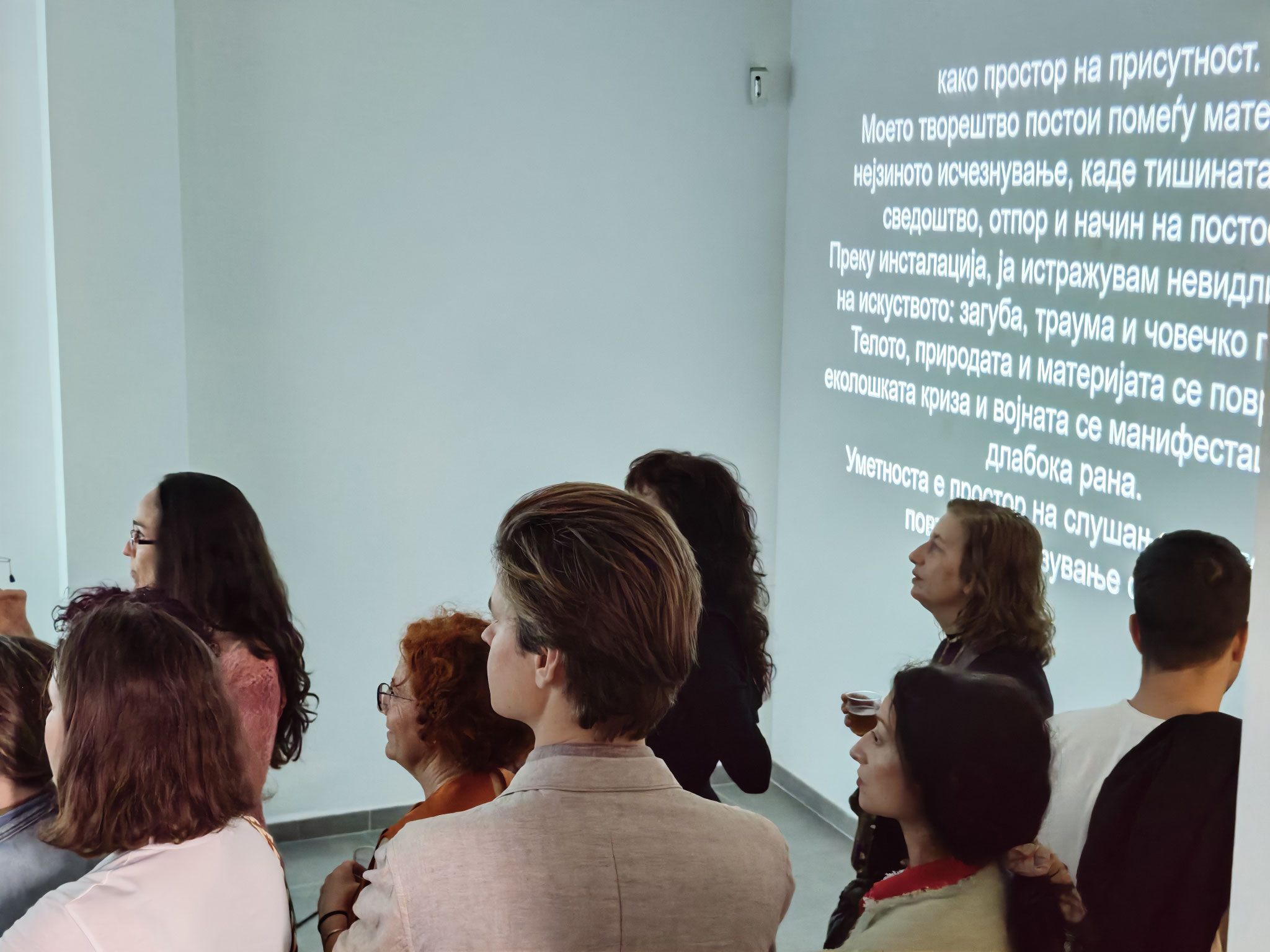
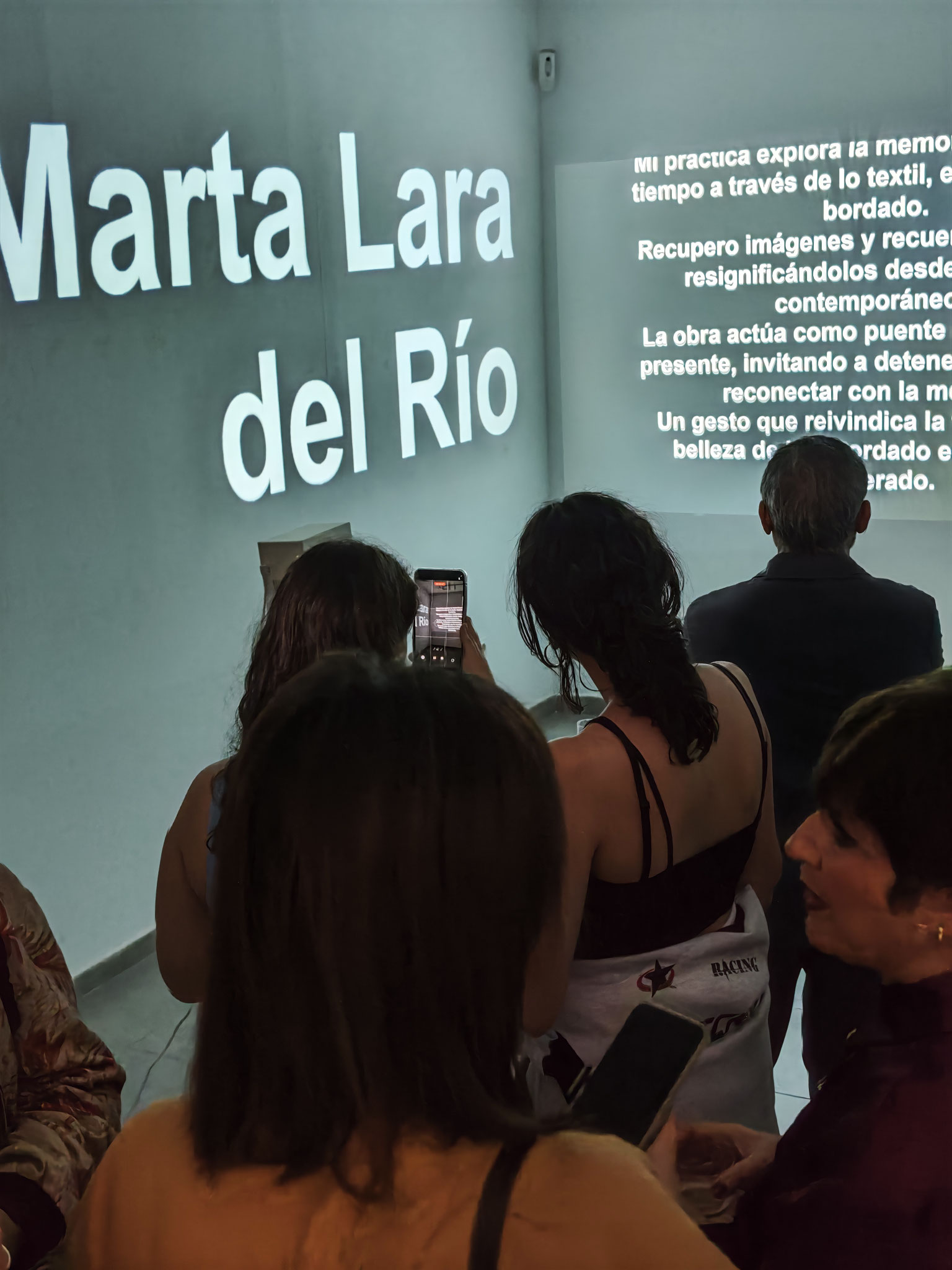
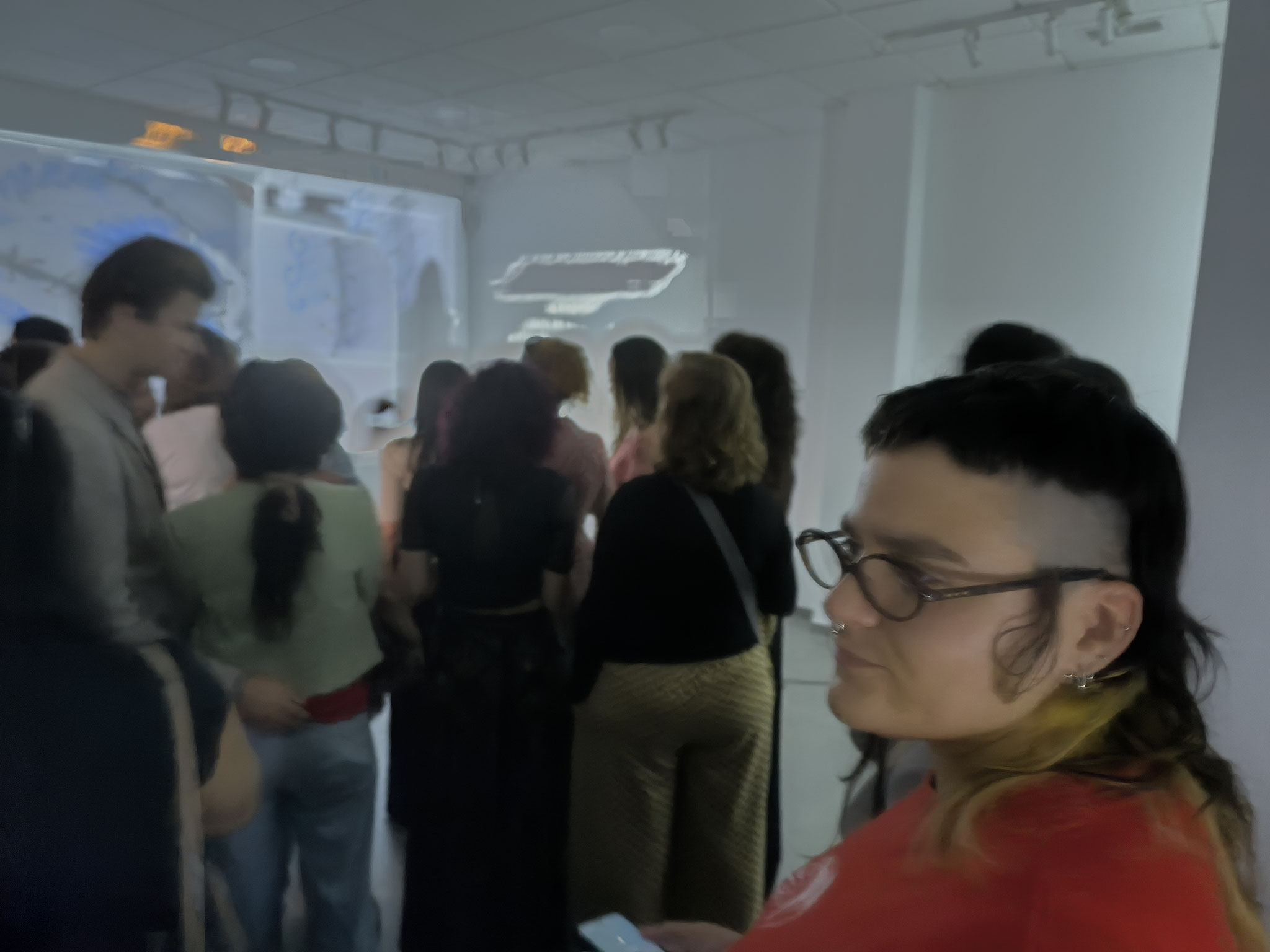
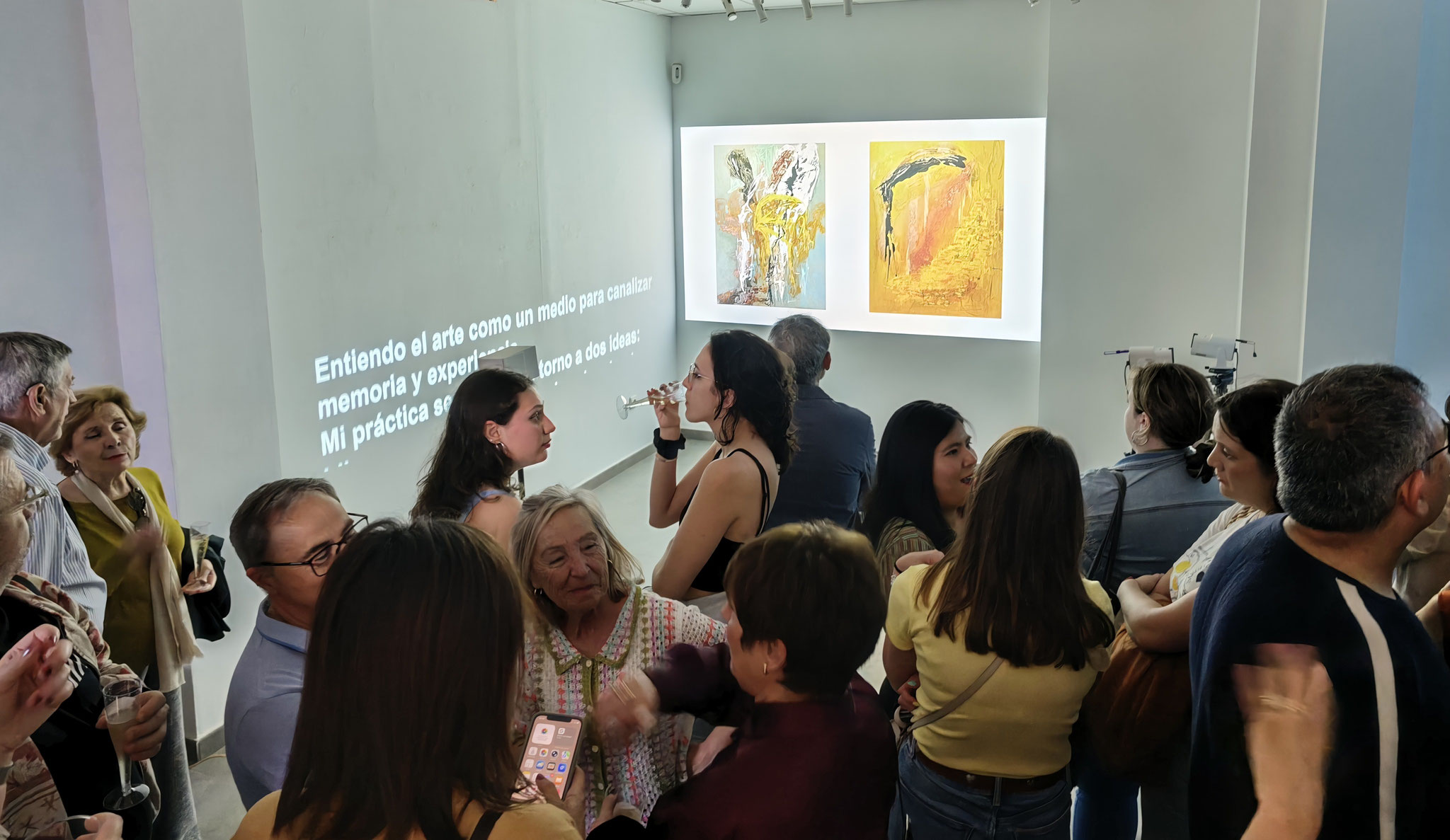
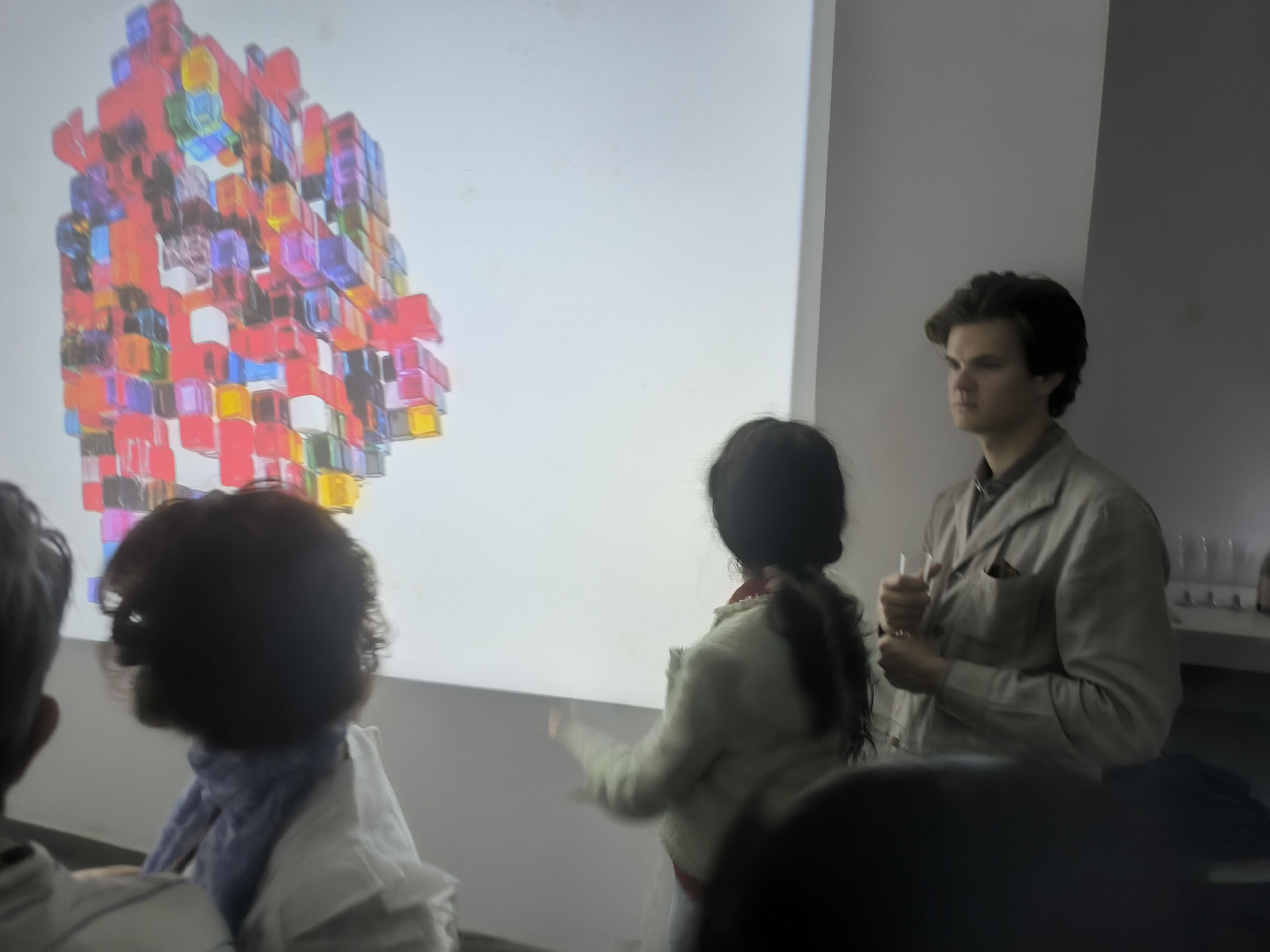
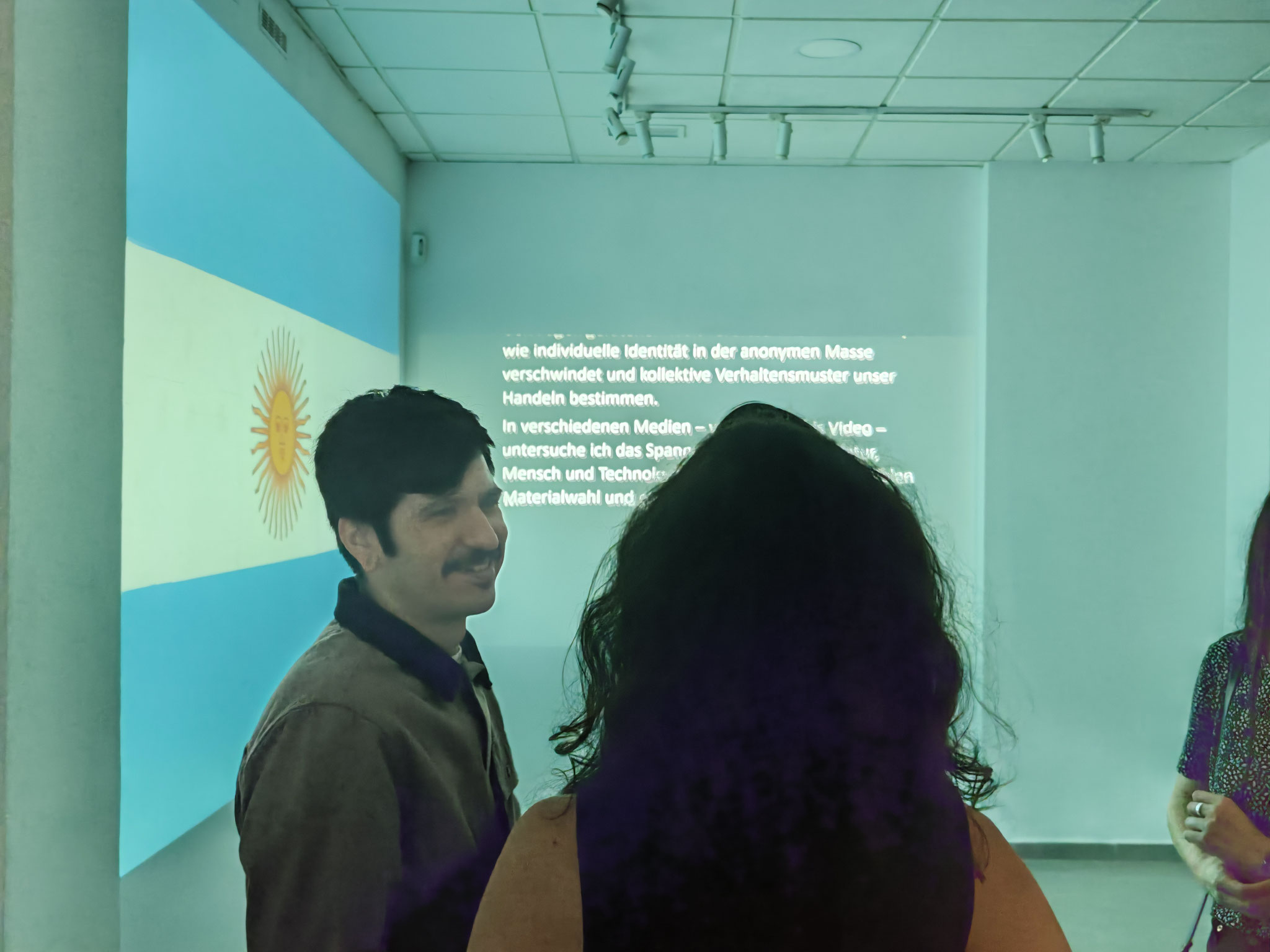
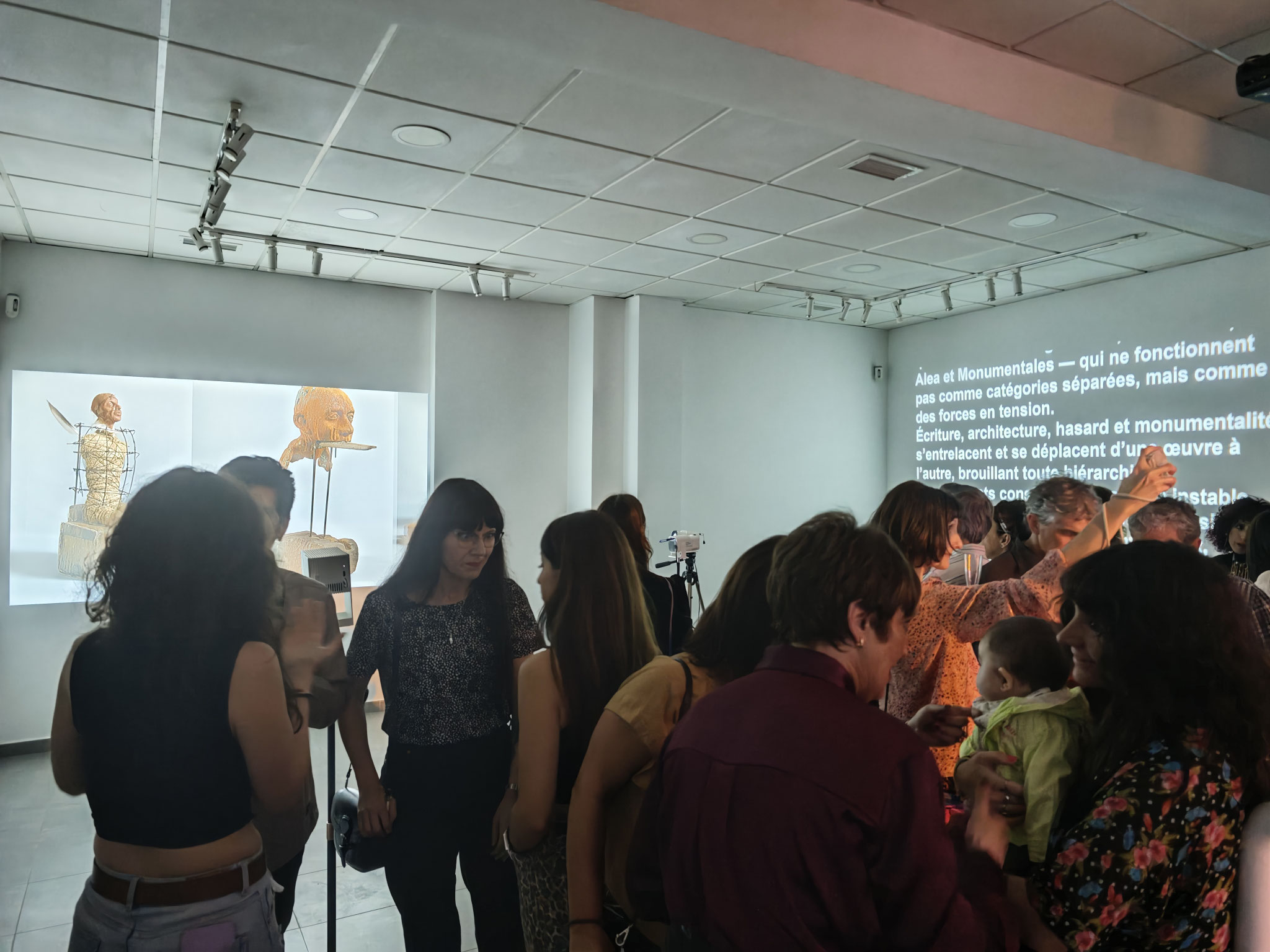
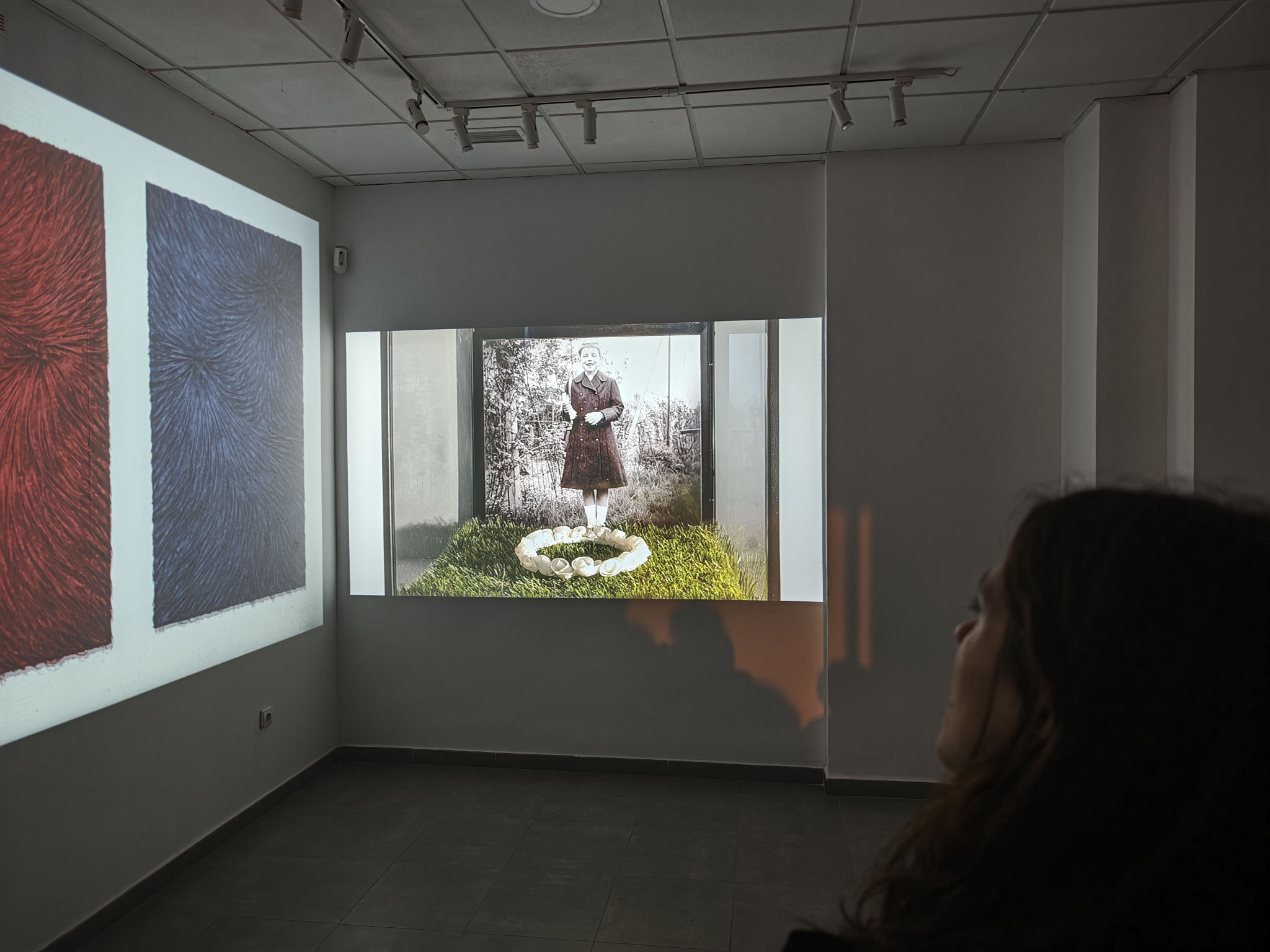
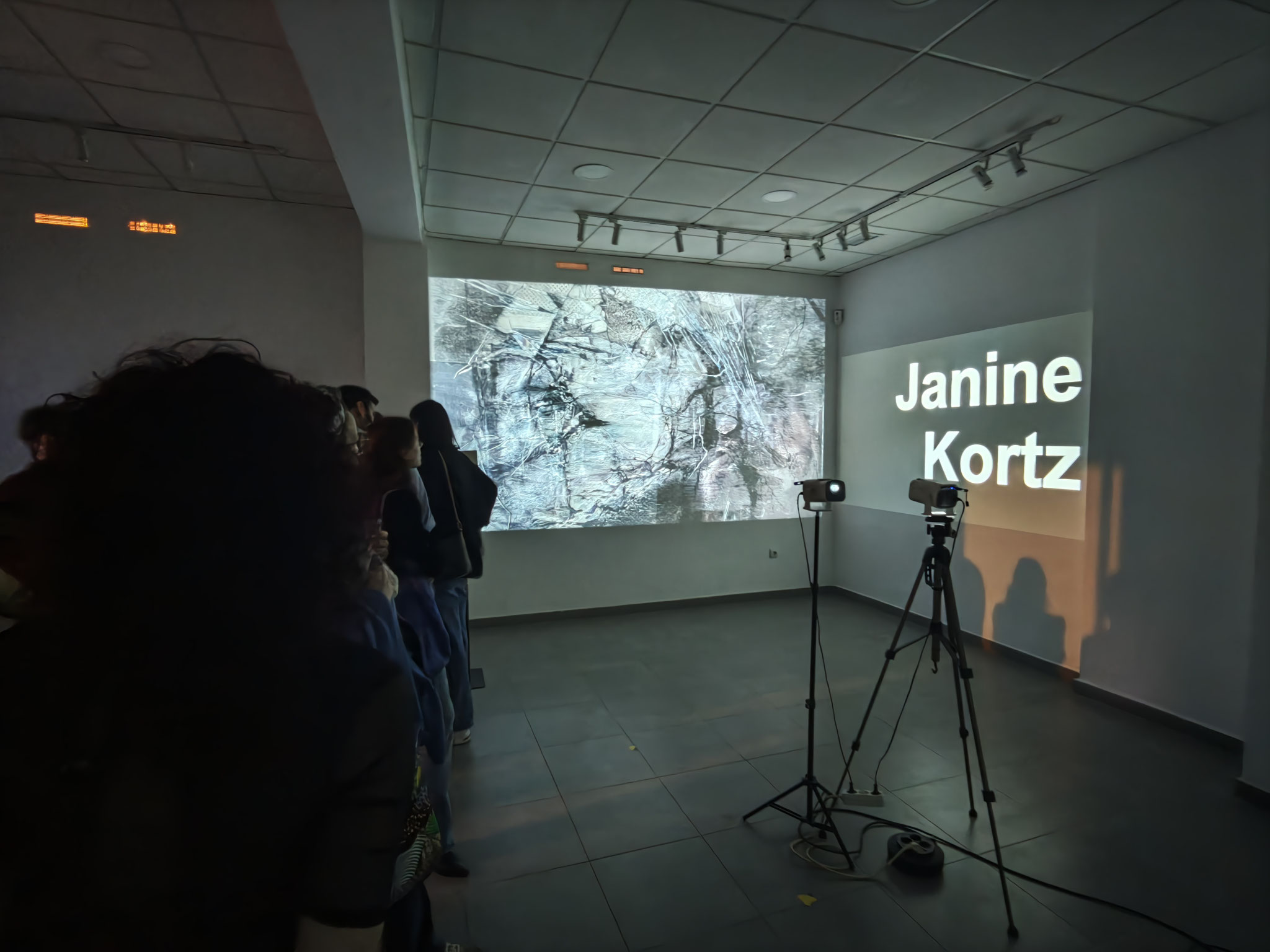
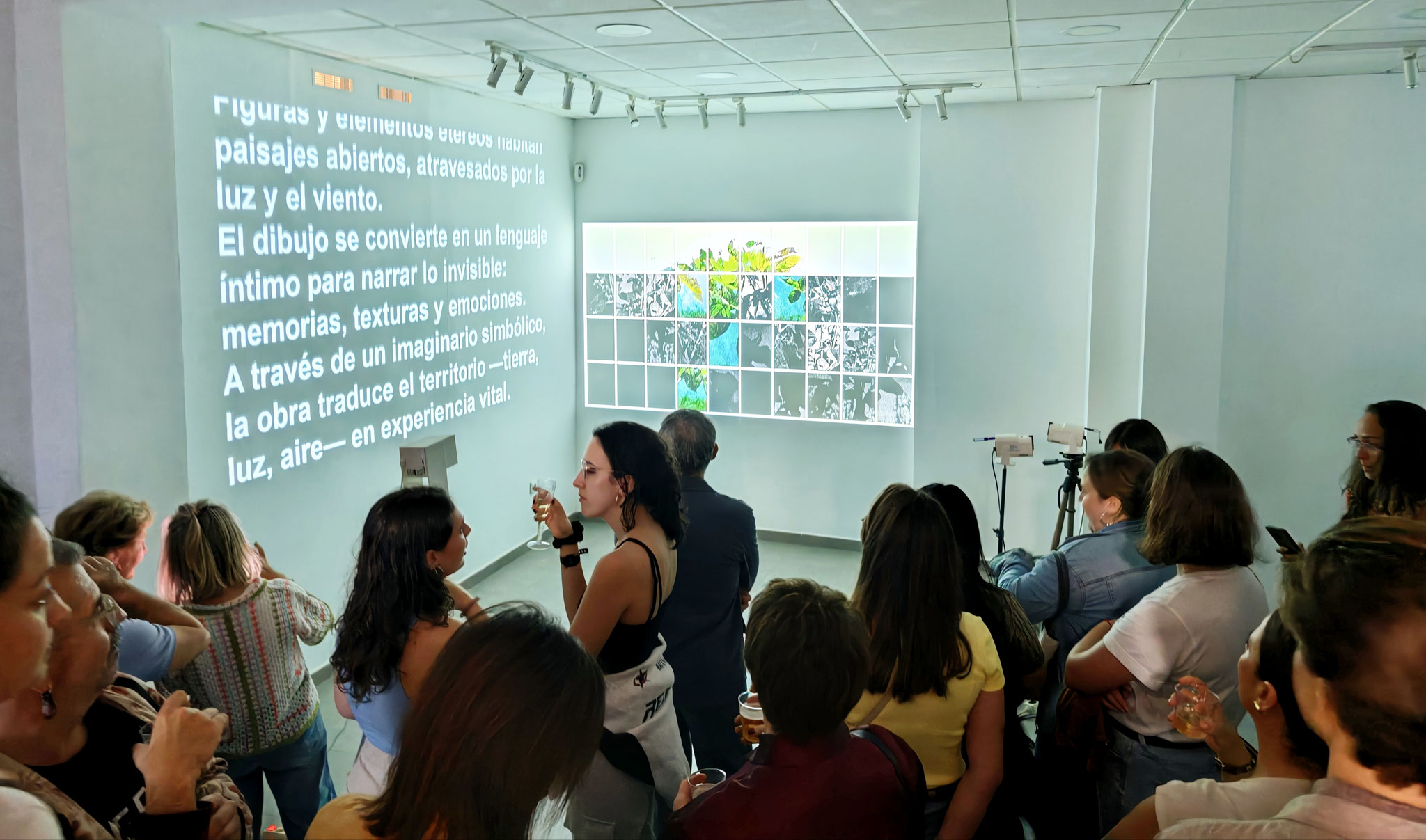
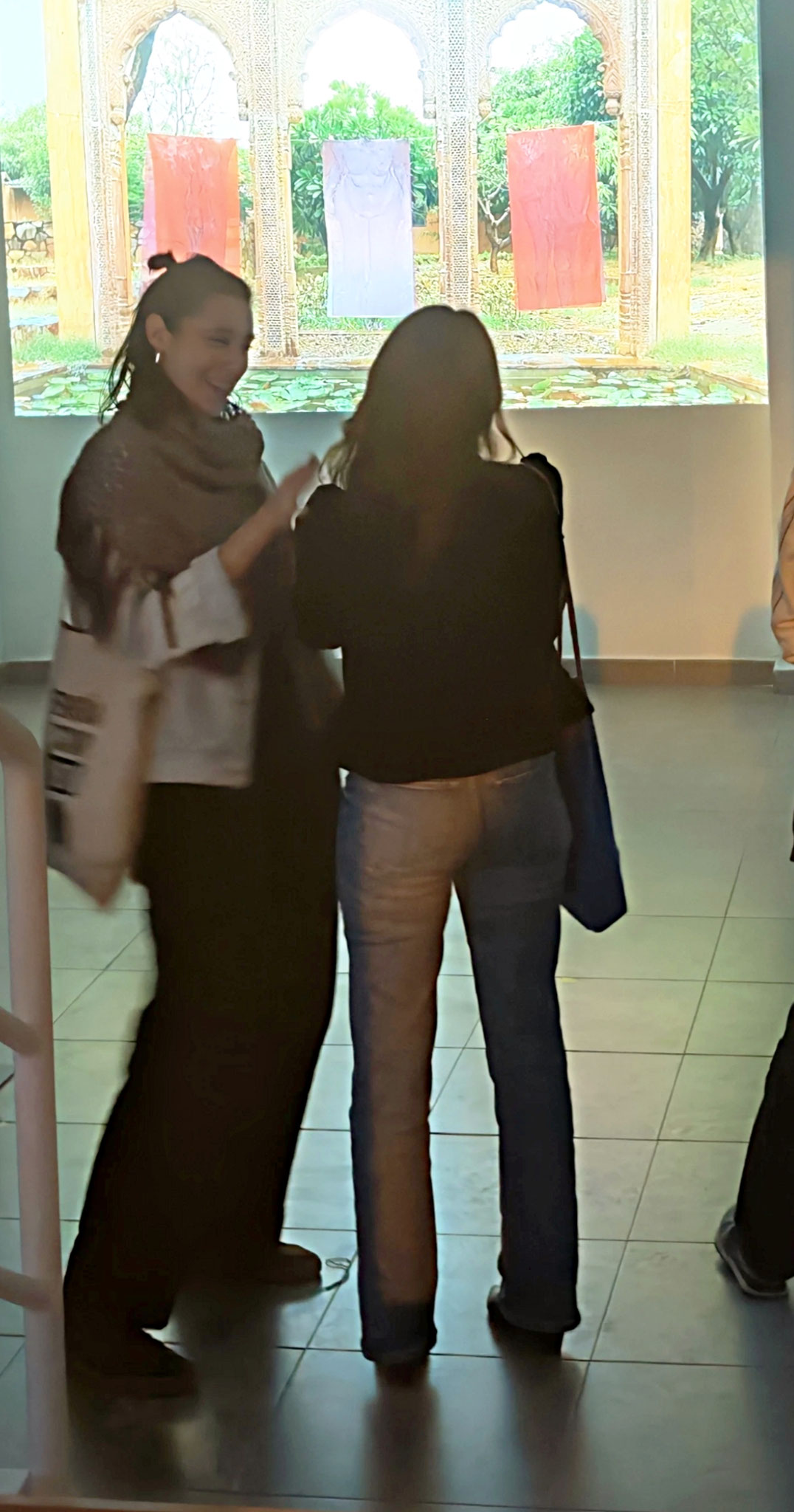
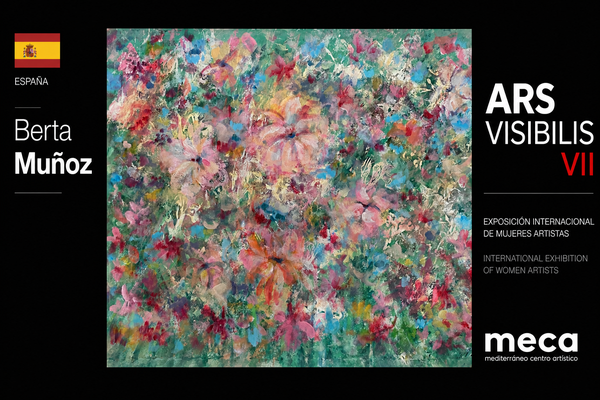
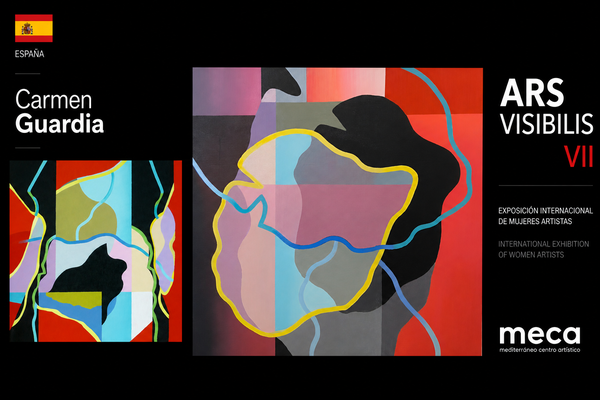
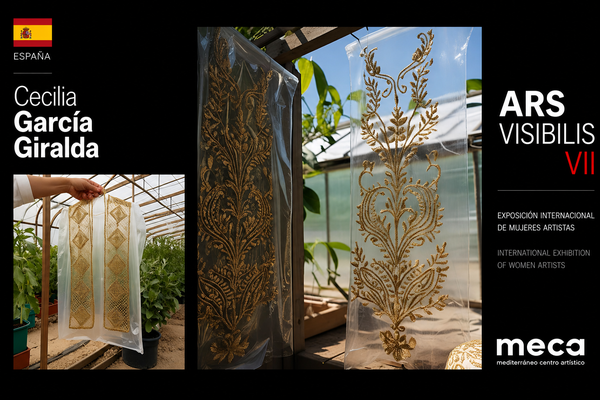
La decisión de trabajar exclusivamente con pintura, escultura e instalación no responde a una jerarquía disciplinar, sino a una operación precisa: desplazar prácticas ancladas en la materia, el cuerpo y el espacio hacia un régimen de proyección que las desajusta. La obra deja de presentarse como objeto estable para convertirse en aparición, en imagen en tránsito, en superficie de inscripción atravesada por la temporalidad.
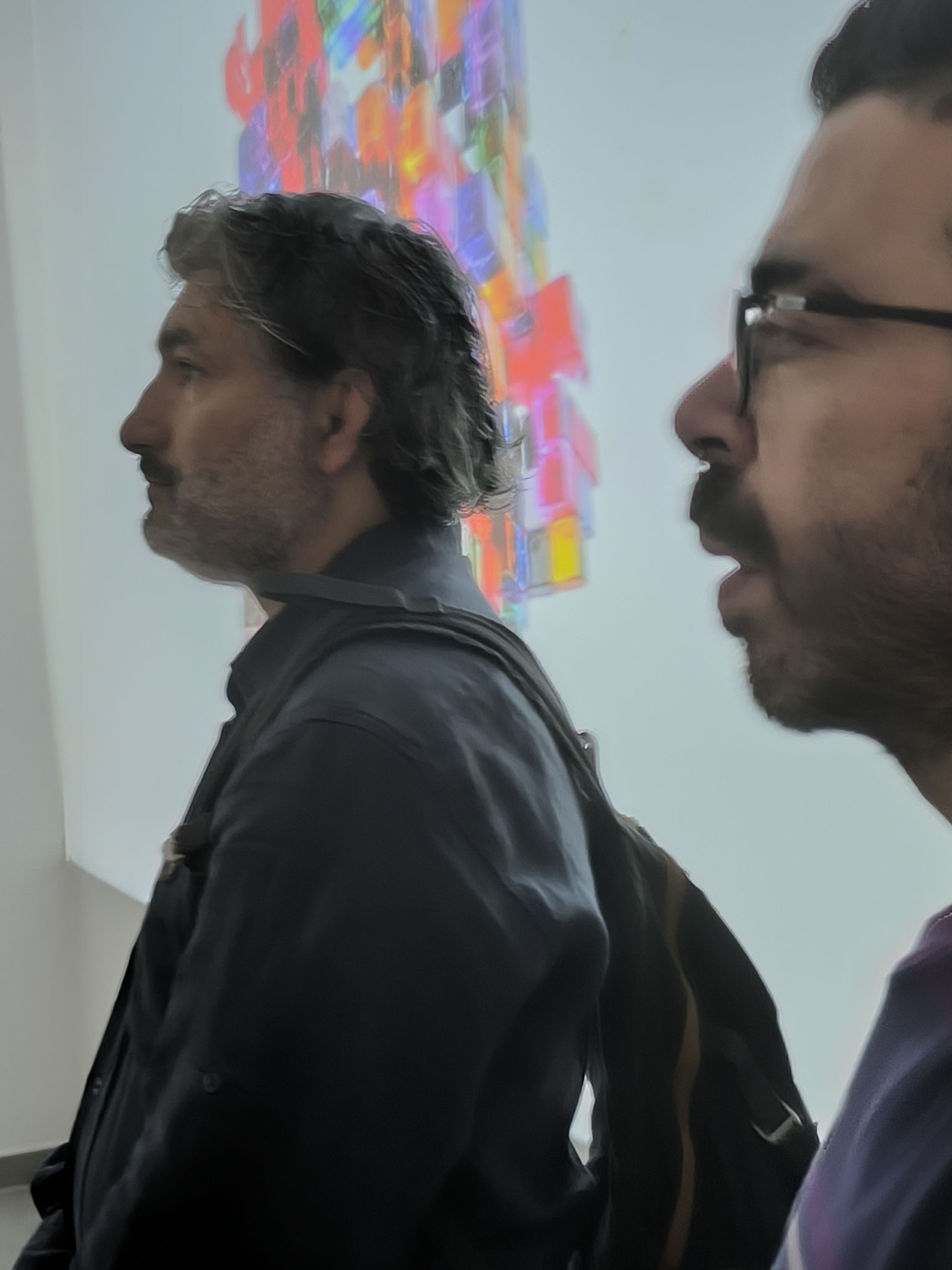
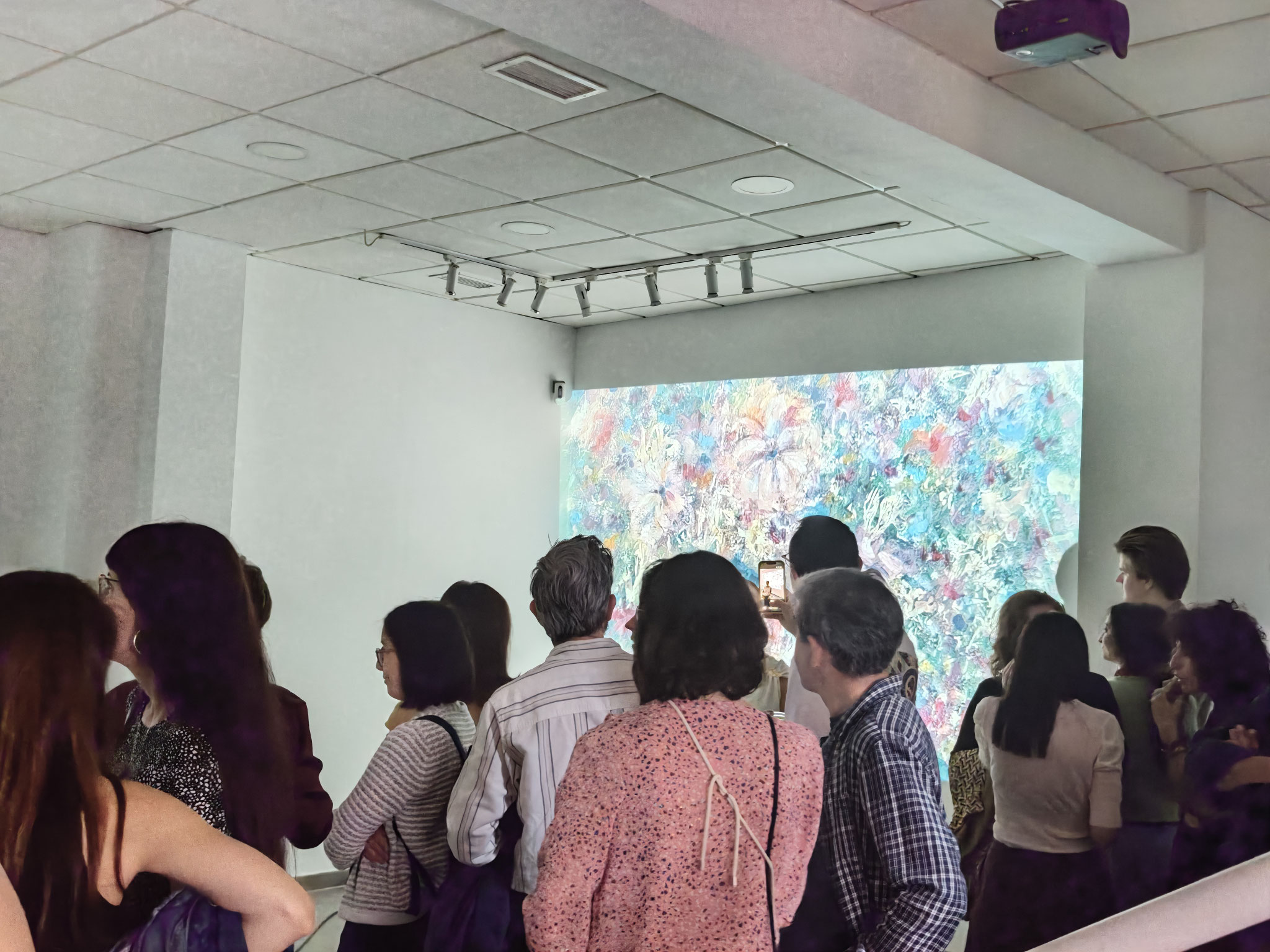
La proyección no actúa como mediación neutra ni como reproducción, sino como dispositivo crítico. Al desprenderse de su materialidad inmediata, la obra no se pierde, sino que entra en una condición de inestabilidad donde se superpone, se diluye y se reconfigura en relación con otras. La escala fluctúa, el espacio se expande y la percepción se vuelve corporal. El espectador ya no mira: se ve implicado.
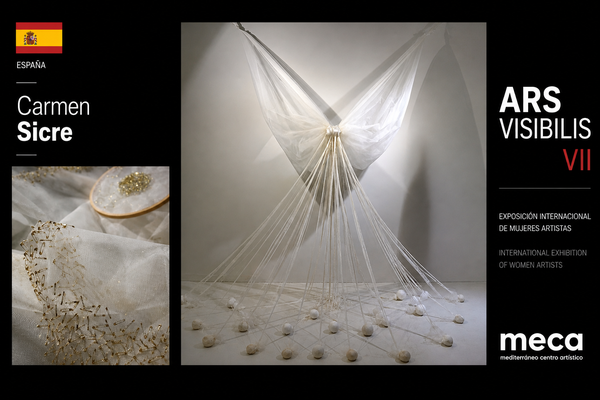
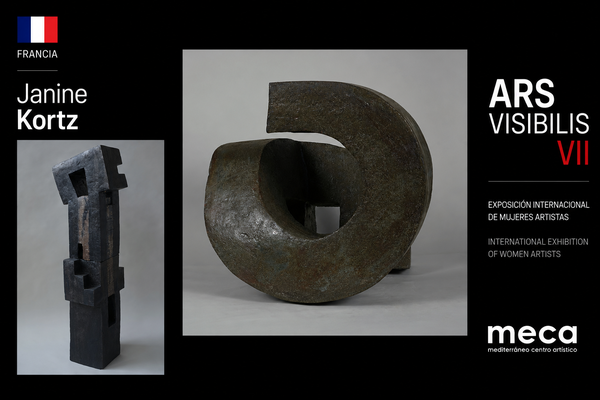
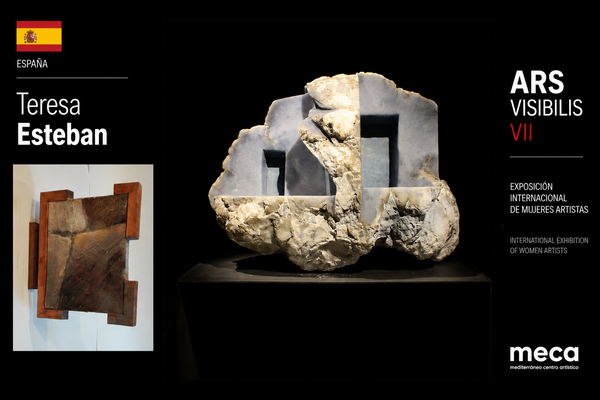
En este contexto, la inclusión de una única pieza escultórica en su condición material introduce una interrupción decisiva. Frente al flujo continuo de imágenes, su presencia fija, localizada y resistente actúa como punto de condensación, obligando a reconsiderar qué significa hoy la presencia y qué lugar ocupa la materia en un entorno dominado por la circulación de imágenes.
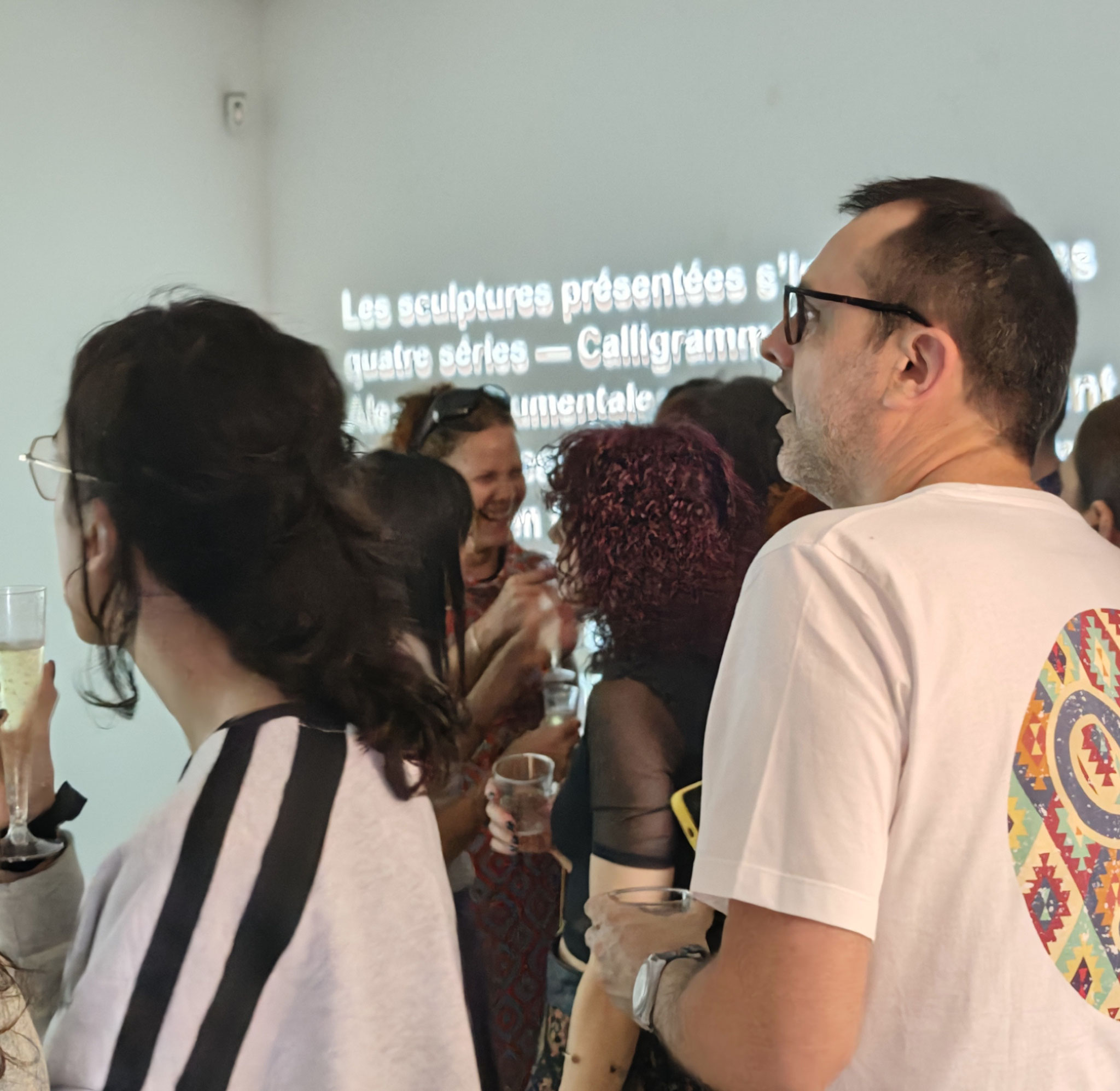
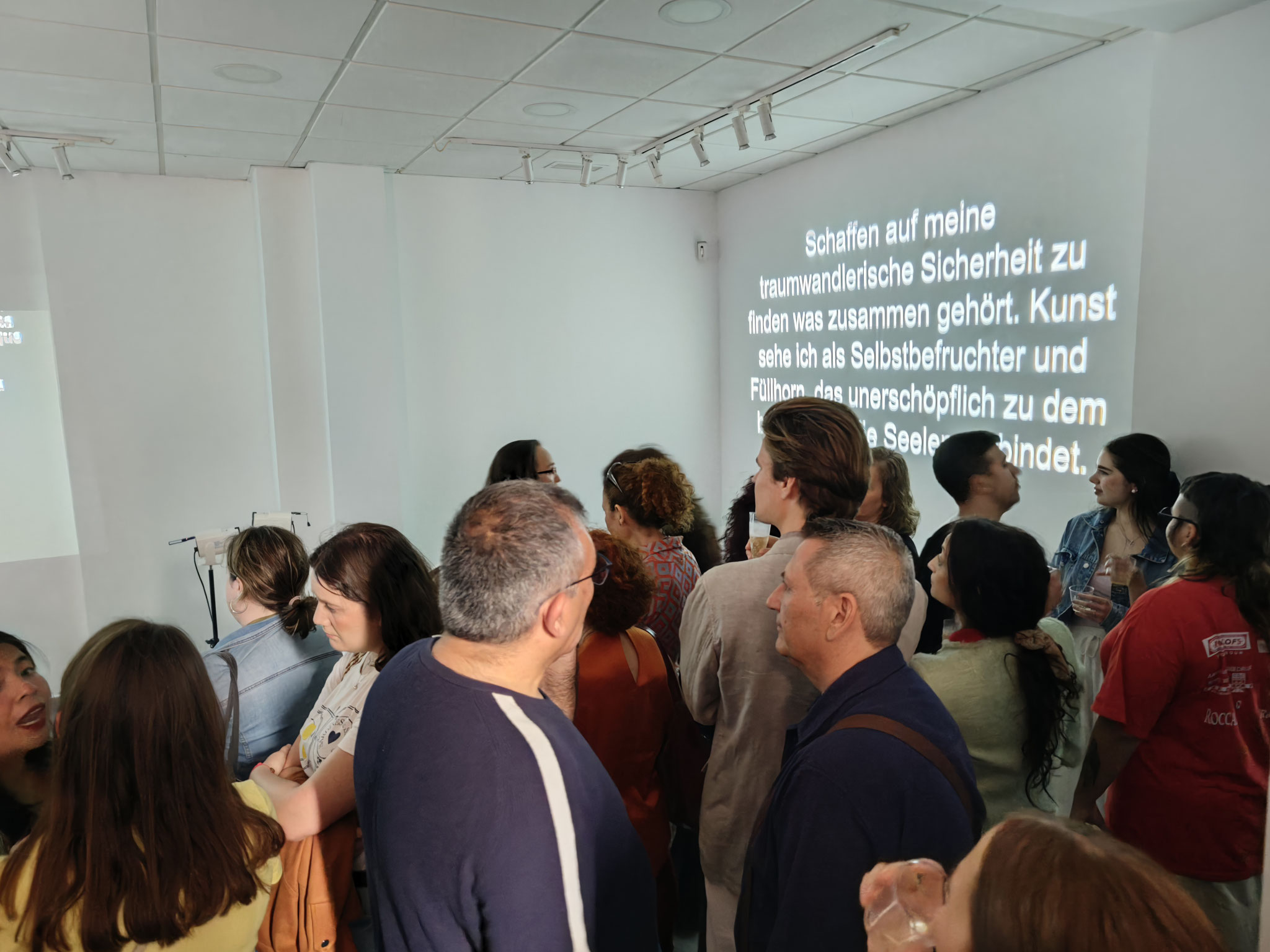
La dimensión lingüística añade otra capa de complejidad. Los textos de las artistas se presentan en su idioma original, sin traducción, desplazando la función del lenguaje como herramienta de transparencia. La lengua se sitúa como materia —ritmo, sonido, estructura— y no como vehículo inmediato de sentido. La opacidad deja de ser una carencia para convertirse en una forma de resistencia frente a la homogeneización.
El espectador pierde así su posición de dominio interpretativo. La experiencia no se organiza desde la comprensión total, sino desde la exposición a lo fragmentario, a lo no completamente legible, a lo que se escapa. La mirada se desplaza hacia una forma de atención más inestable, más situada, más consciente de sus propios límites.
Desde una perspectiva de antropología cultural y social, las prácticas reunidas no se entienden como expresiones individuales aisladas, sino como formas de producción simbólica que operan dentro de sistemas complejos de significación. No reflejan un contexto: lo configuran, lo tensan, lo reescriben.
ARS VISIBILIS VII no ofrece respuestas ni construye un relato estabilizador. Sostiene un territorio de preguntas donde la visibilidad deja de ser evidencia para convertirse en problema. En ese lugar, la exposición deja de funcionar como formato y se convierte en una forma de estar, de percibir y de pensar el presente sin reducirlo.
ARTISTAS
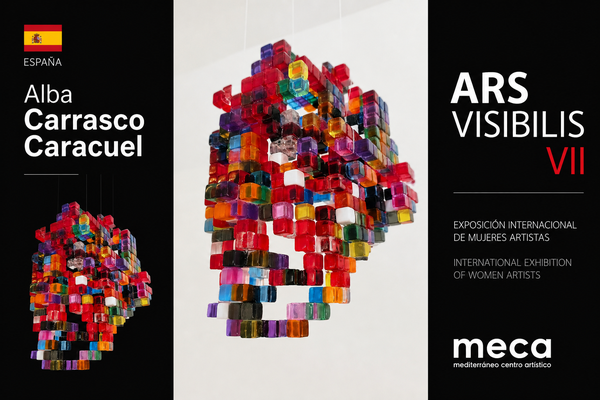
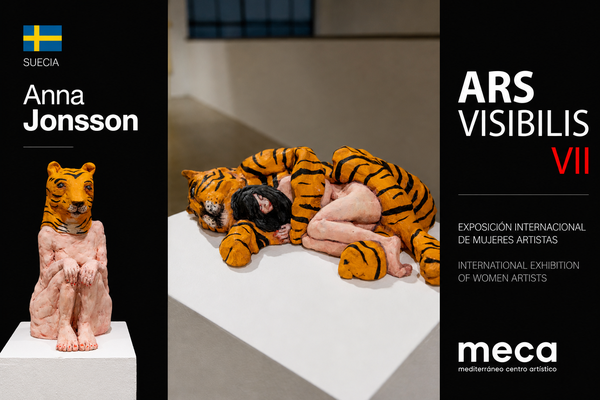
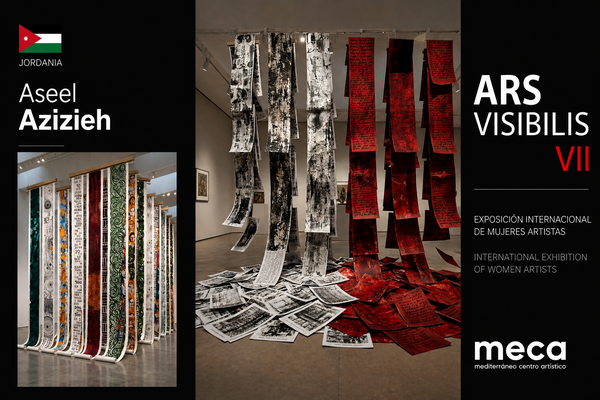
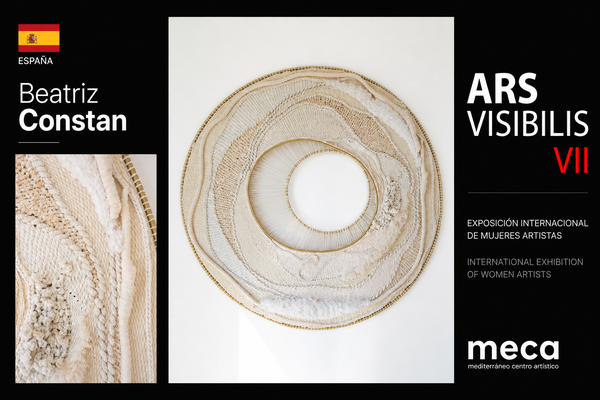
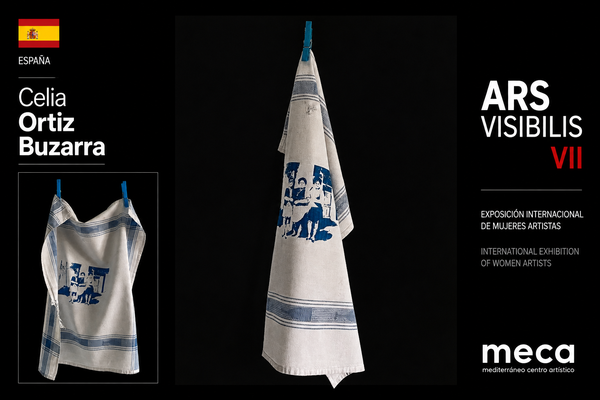
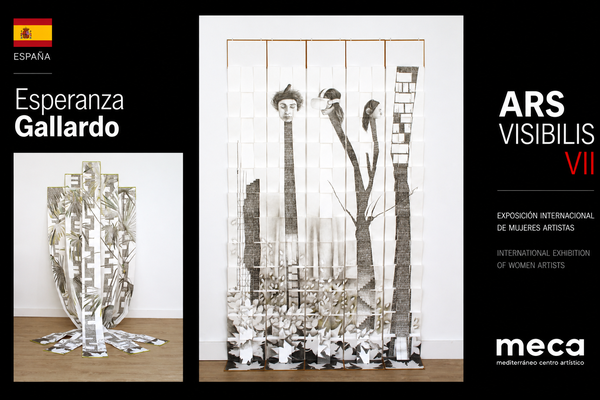
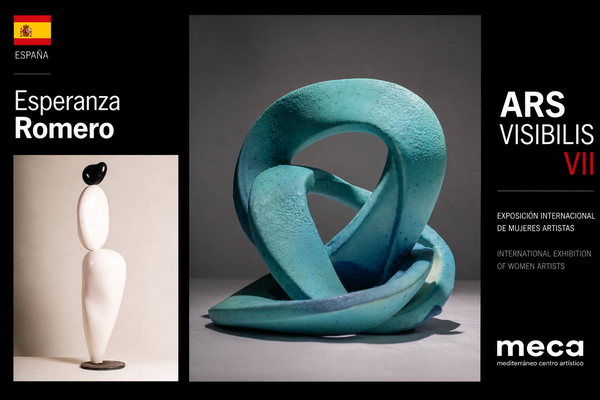
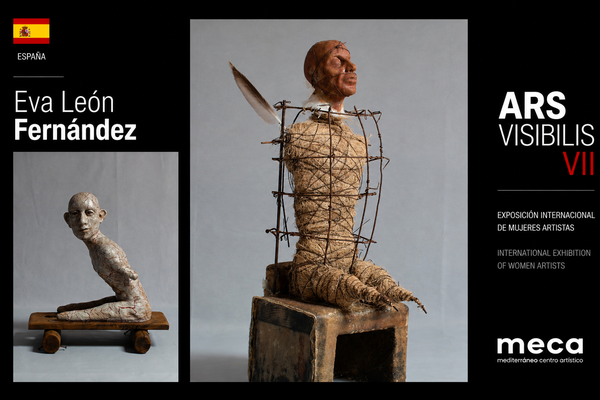
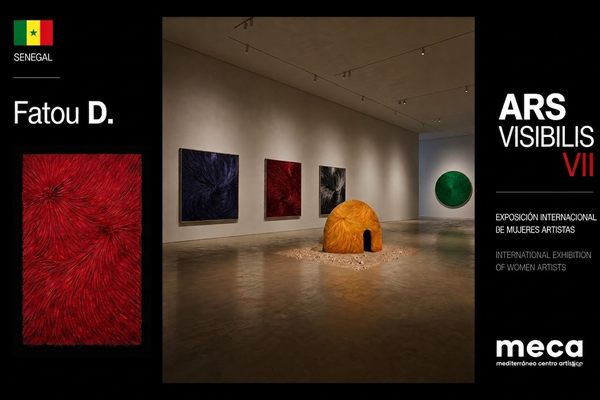
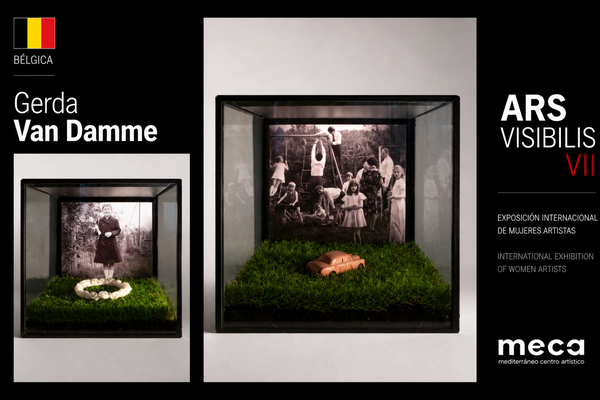
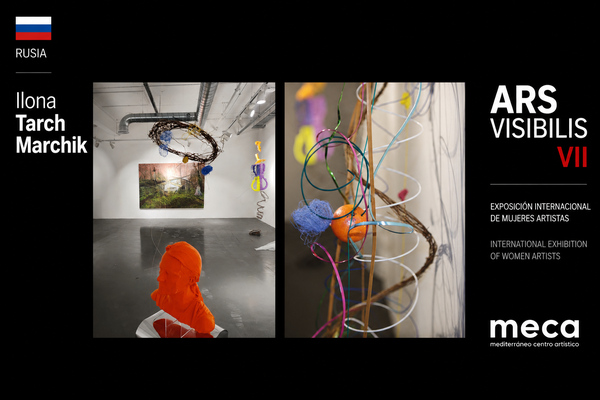
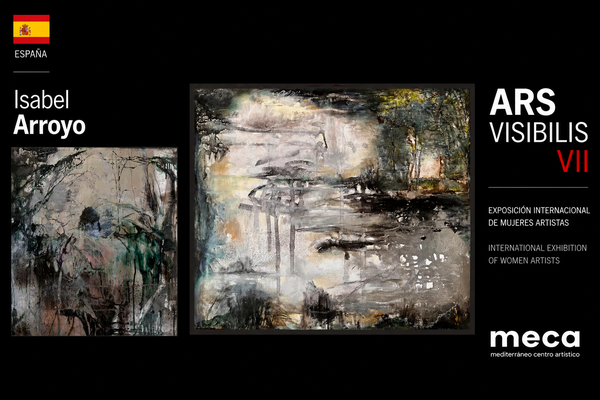
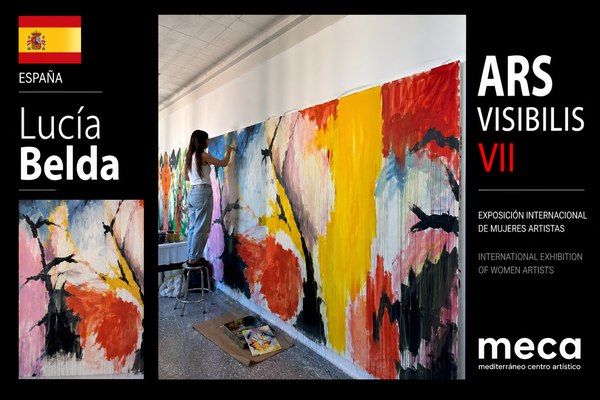
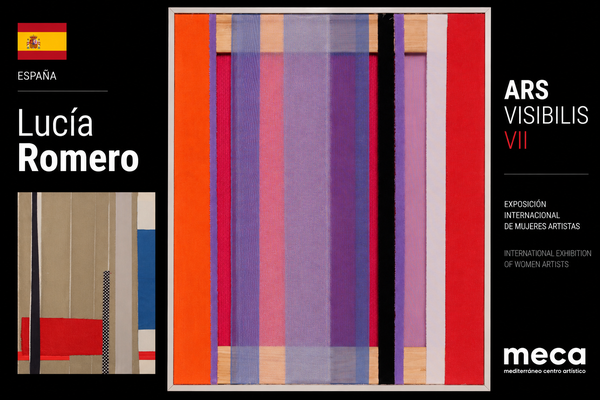
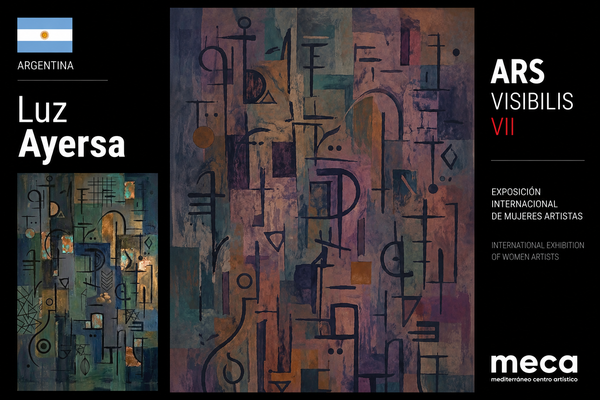
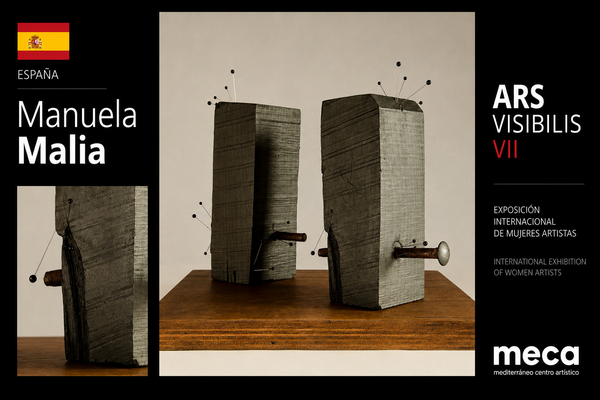
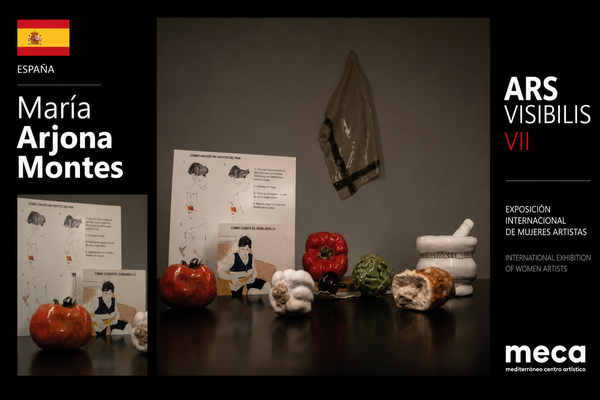
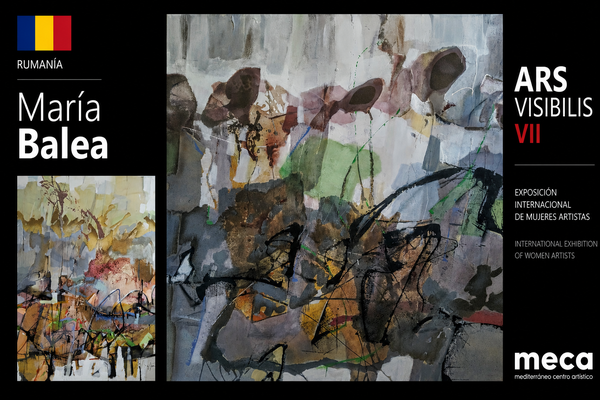
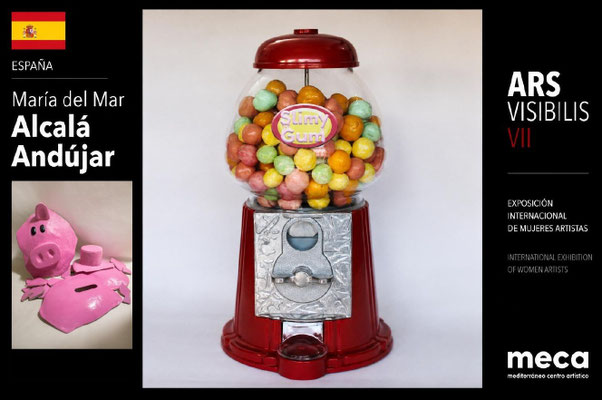
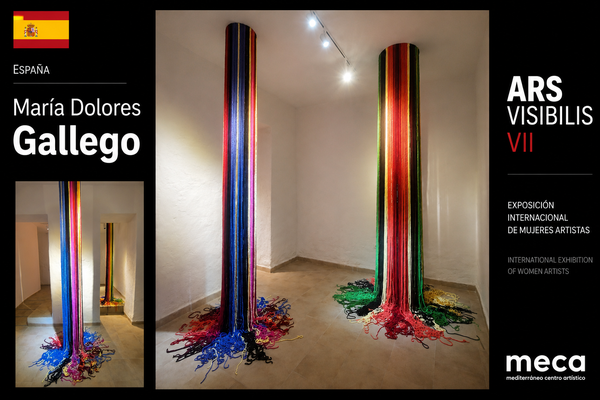
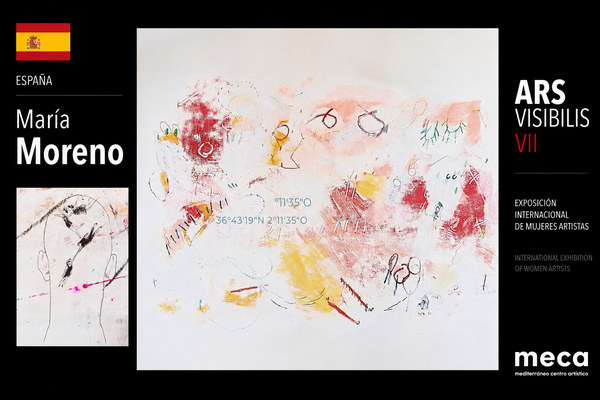
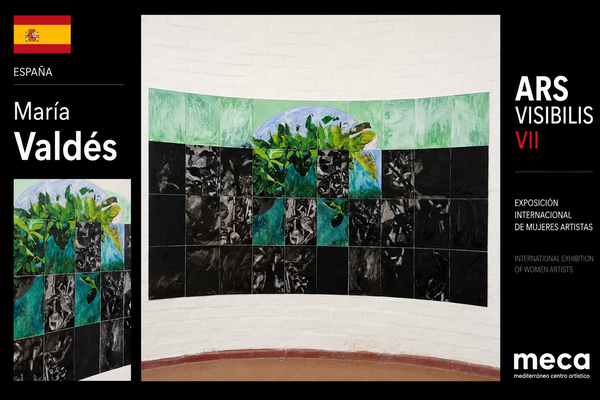
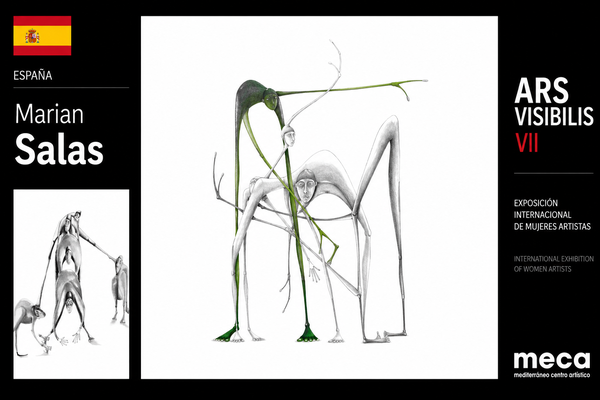
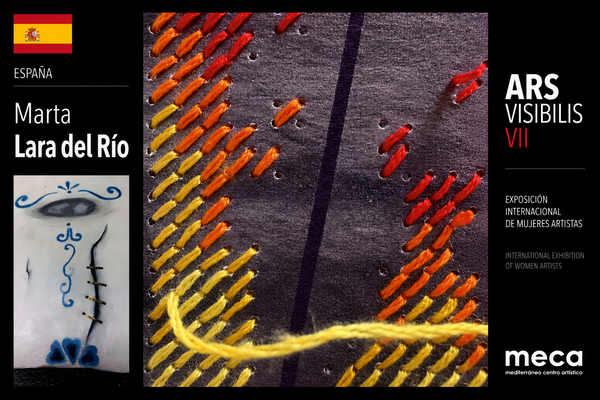
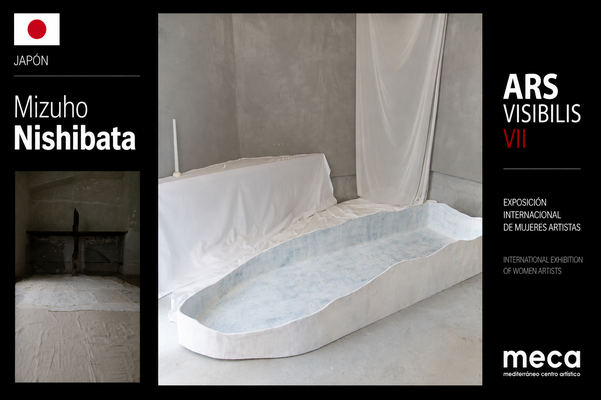
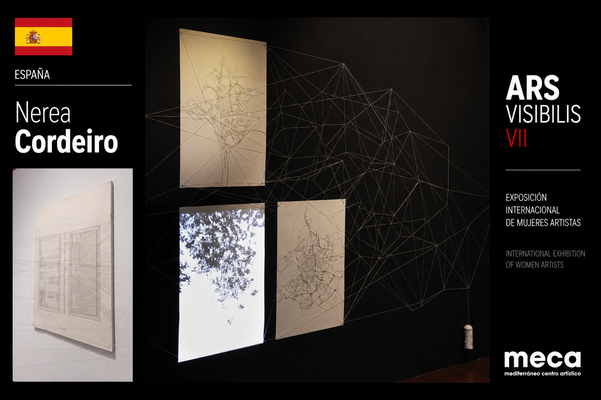
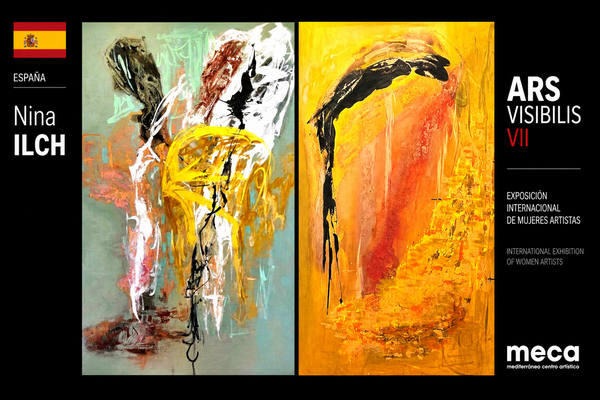
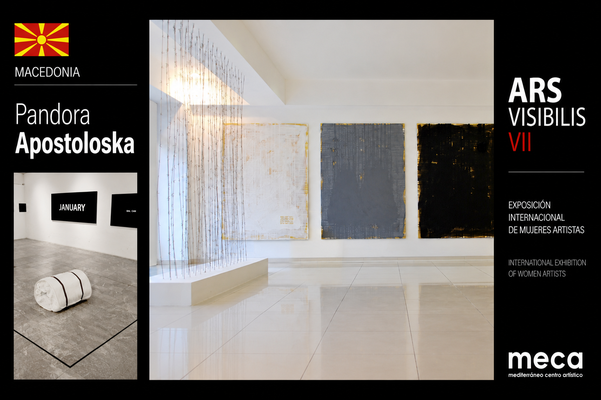
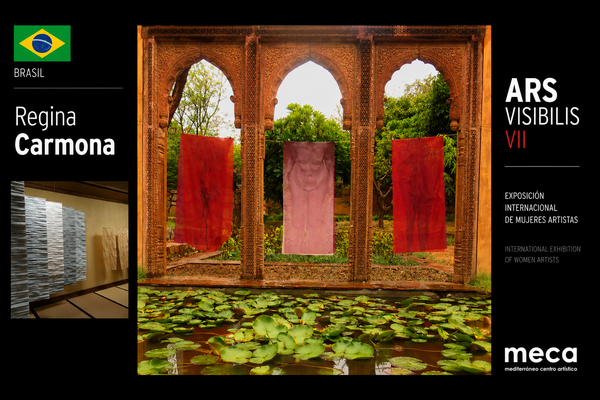
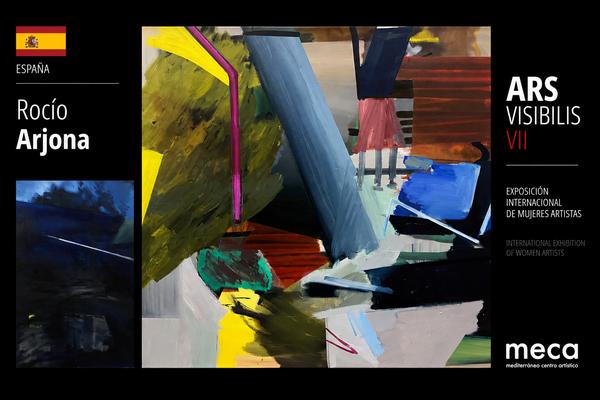
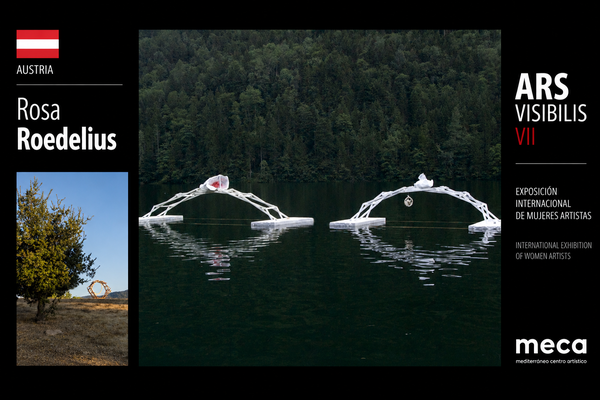
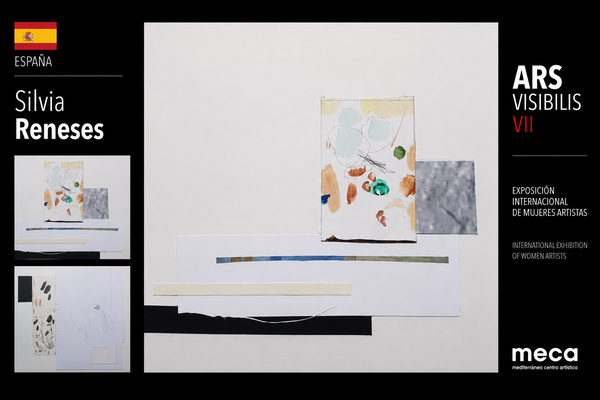
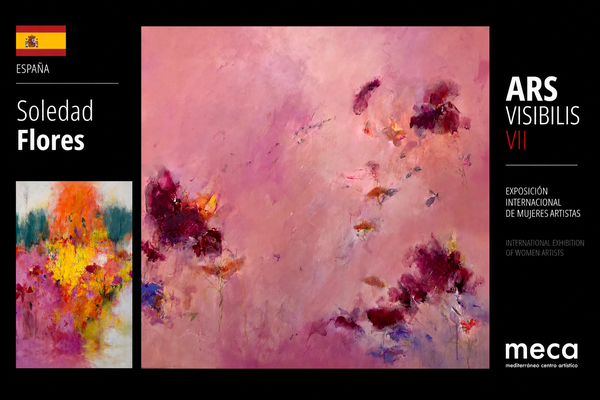
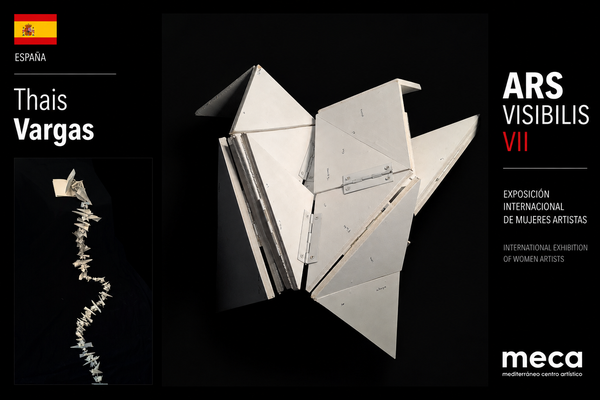
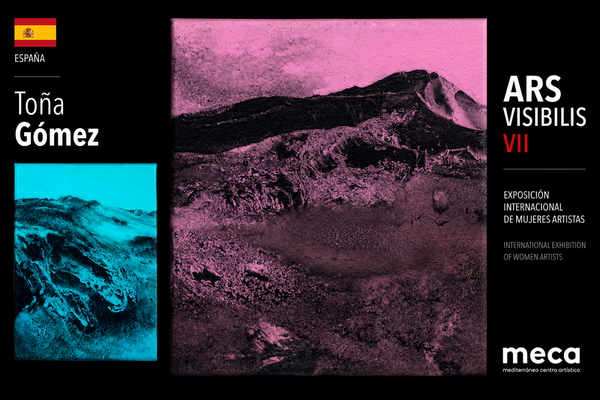
Adele Razkövi · Alba Carrasco Caracuel · Anna Jonsson · Aseel Azizieh · Beatriz Constan · Berta Muñoz · Carmen Guardia · Carmen Sicre · Cecilia García Giralda · Celia Ortiz Buzarra · Esperanza Gallardo · Esperanza Romero · Eva León Fernández · Fatou D. · Gerda Van Damme · Ilona Tarch Marchik · Isabel Arroyo · Janine Kortz · Leticia Vázquez · Lilia Luján · Lourdes Mieres · Lucía Belda · Lucía Romero · Luz Ayersa · Manuela Malia · María Arjona Montes · María Balea · María del Mar Alcalá Andujar · María Dolores Gallego · María Flores Verdú · María Moreno · María Rodríguez Valdés · Marian Salas · Marta Lara del Río · Mizuho Nishibata · Nerea Cordeiro · Nina ICH · Pandora Apostoloska · Regina Carmona · Rosa Roedelius · Silvia Reneses · Soledad Flores · Teresa Esteban Gómez · Thais Vargas · Toña Gómez · Zoila Electra
PAÍSES
España · Japón · Brasil · Jordania · México · Rumanía · Macedonia · Austria · Suecia · Rusia · Argentina · Francia · Bélgica · Senegal
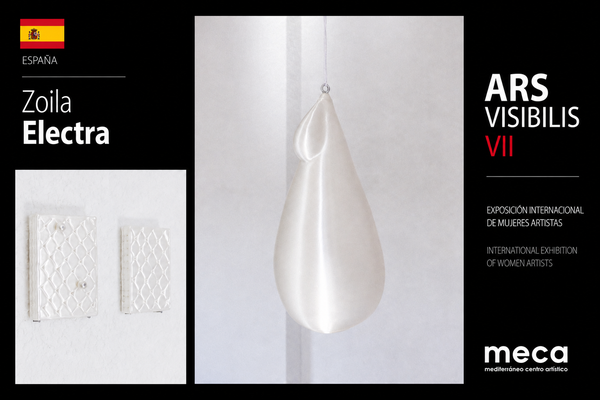
ARS VISIBILIS VII is not conceived as an exhibition in the conventional sense, but as a dispositif that interrogates the conditions under which artistic practices produced by women appear today within the field of the visible. Visibility is no longer understood as an objective or an achievement, but as a regime: a set of operations that determines what can be perceived, how it is presented, and within which interpretative frameworks it is read.
Curated by Rosa Muñoz Bustamante and Fernando Barrionuevo, the project is situated within an ongoing line of research addressing the relationship between image, gender, and systems of perception, as well as the development of immersive dispositifs understood not as technological solutions, but as critical structures that reconfigure aesthetic experience.
The exhibition brings together 46 artists from diverse cultural contexts and countries whose coexistence does not aim to construct a unified narrative or affirm a shared identity. Instead, it activates a field of tensions in which differences are neither organised nor resolved, but remain in a state of friction. The ensemble does not represent: it destabilises.
The decision to work exclusively with painting, sculpture, and installation does not respond to a disciplinary hierarchy, but to a precise operation: to displace practices rooted in materiality, the body, and space into a regime of projection that unsettles them. The work ceases to present itself as a stable object and becomes an appearance—an image in transit, a surface of inscription traversed by temporality.
Projection does not function as neutral mediation or mere reproduction, but as a critical device. By detaching from its immediate materiality, the work is not lost; rather, it enters a condition of instability in which it overlaps, dissolves, and is reconfigured in relation to others. Scale fluctuates, space expands, and perception becomes embodied. The viewer no longer simply looks: they are implicated.
Within this context, the inclusion of a single sculptural piece in its material condition introduces a decisive interruption. Against the continuous flow of images, its fixed, localised, and resistant presence acts as a point of condensation, compelling a reconsideration of what presence means today and what place materiality occupies within an environment dominated by the circulation of images.
The linguistic dimension introduces another layer of complexity. The artists’ texts are presented in their original languages, without translation, displacing the function of language as a transparent tool. Language is positioned as material—rhythm, sound, structure—rather than as an immediate vehicle of meaning. Opacity ceases to be a deficiency and becomes a form of resistance against homogenisation.
The viewer thus loses their position of interpretative control. Experience is no longer organised through total comprehension, but through exposure to the fragmentary, the not fully legible, that which escapes. The gaze shifts towards a more unstable, situated form of attention, one that is conscious of its own limits.
From the perspective of cultural and social anthropology, the practices brought together are not understood as isolated individual expressions, but as forms of symbolic production operating within complex systems of meaning. They do not reflect a context: they configure it, tension it, rewrite it.
ARS VISIBILIS VII does not offer answers nor construct a stabilising narrative. It sustains a territory of questions where visibility ceases to be self-evident and becomes a problem. In this space, the exhibition ceases to function as a format and becomes a way of being, perceiving, and thinking the present without reducing it.
ARTISTS
Adele Razkövi · Alba Carrasco Caracuel · Anna Jonsson · Aseel Azizieh · Beatriz Constan · Berta Muñoz · Carmen Guardia · Carmen Sicre · Cecilia García Giralda · Celia Ortiz Buzarra · Esperanza Gallardo · Esperanza Romero · Eva León Fernández · Fatou D. · Gerda Van Damme · Ilona Tarch Marchik · Isabel Arroyo · Janine Kortz · Leticia Vázquez · Lilia Luján · Lourdes Mieres · Lucía Belda · Lucía Romero · Luz Ayerza · Manuela Malia · María Arjona Montes · María Balea · María del Mar Alcalá Andújar · María Dolores Gallego · María Flores Verdú · María Moreno · María Rodríguez Valdés · Marian Salas · Marta Lara del Río · Mizuho Nishibata · Nerea Cordeiro · Nina ICH · Pandora Apostoloska · Regina Carmona · Rosa Roedelius · Silvia Reneses · Soledad Flores · Teresa Esteban Gómez · Thais Vargas · Toña Gómez · Zoila Electra
COUNTRIES
Spain · Japan · Brazil · Jordan · México · Romania · North Macedonia · Austria · Sweden · Russia · Argentina · France · Belgium · Senegal